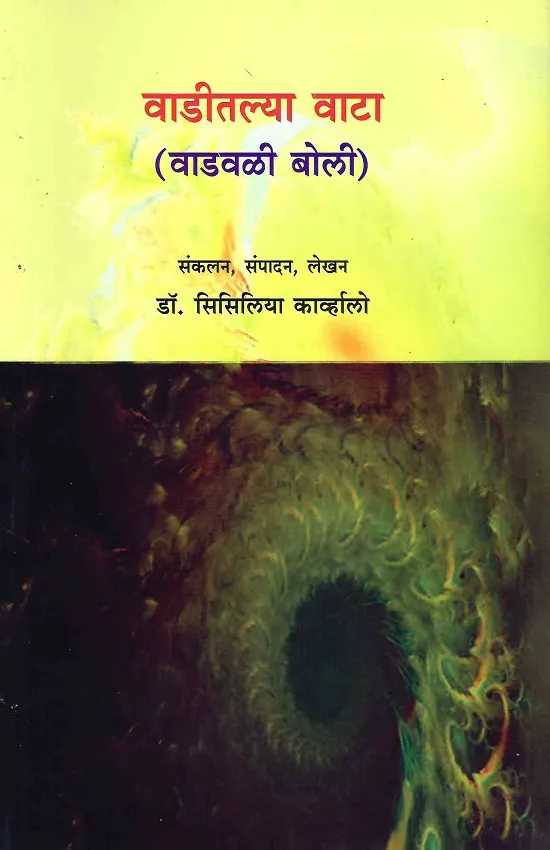
About this book
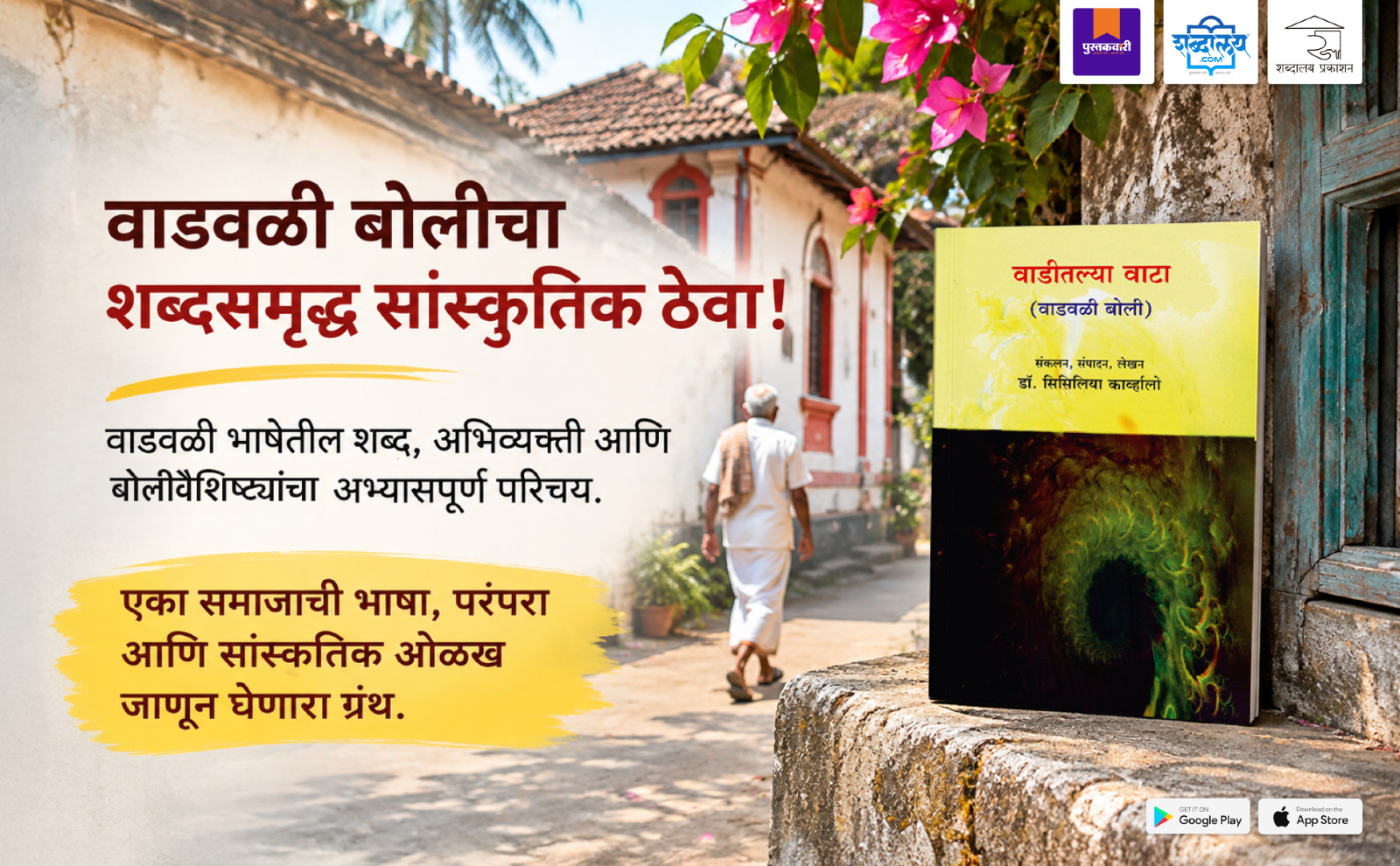
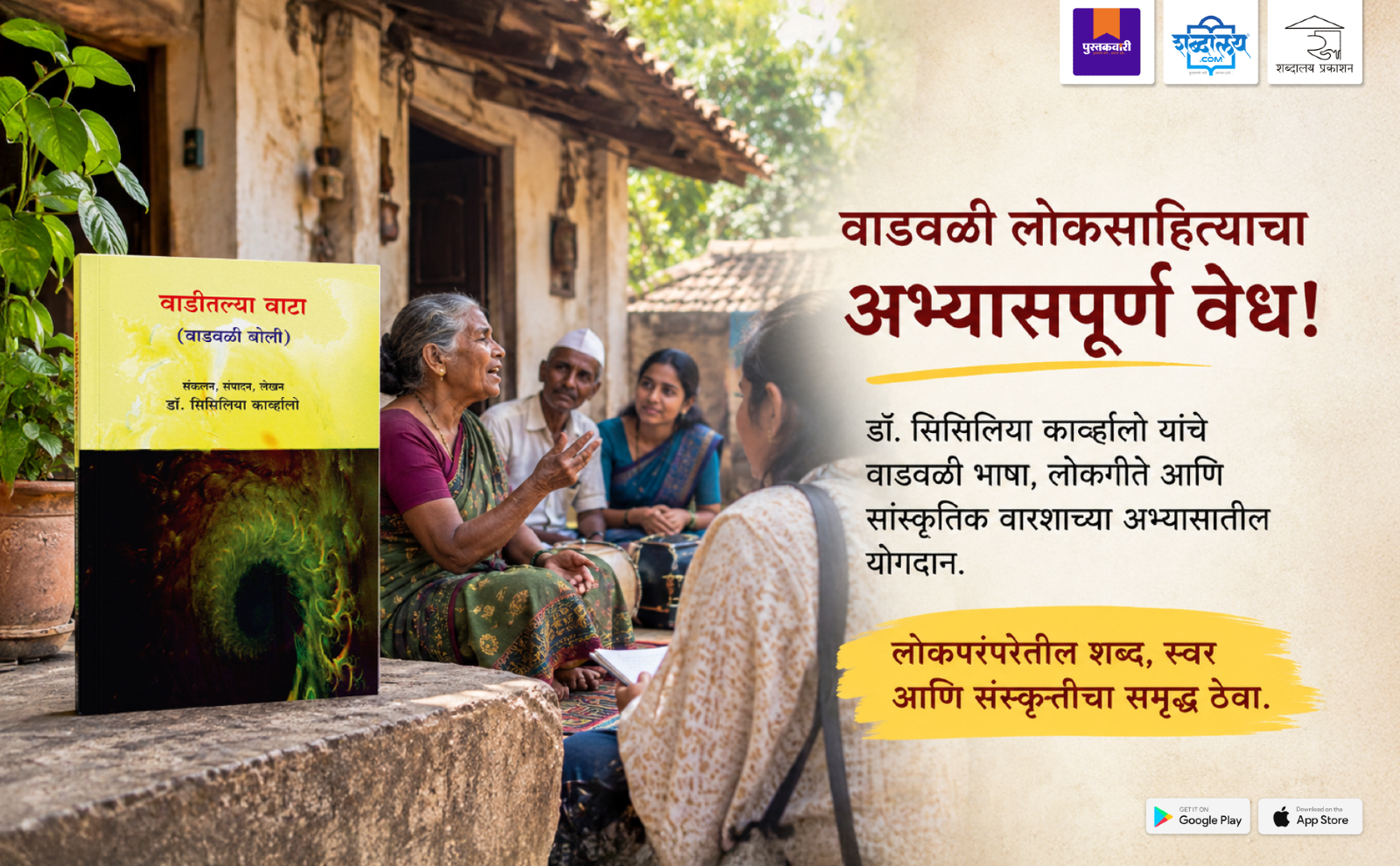
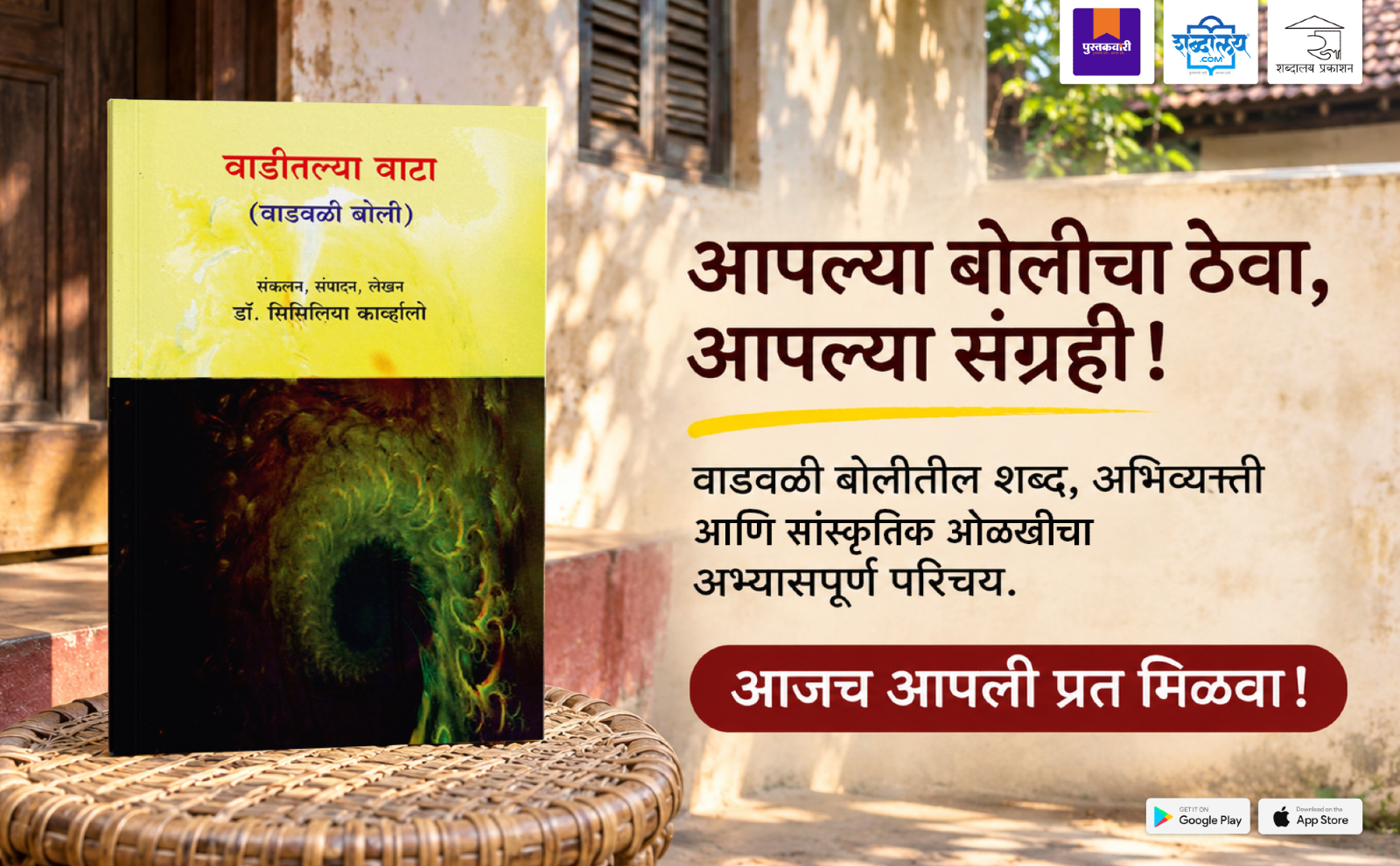
The words language and dialect, though etymologically synonymous, carry different shades of meaning in practice. Just as the saying goes, “The language changes every ten kos,” countless dialects have emerged. If dialects survive, languages will survive, because dialects are the forms in which languages are actually used. A dialect expresses the identity of a particular community and region. The cultures of different regions are revealed through their dialects. Compared with the standard language, a dialect is more alive and vibrant.
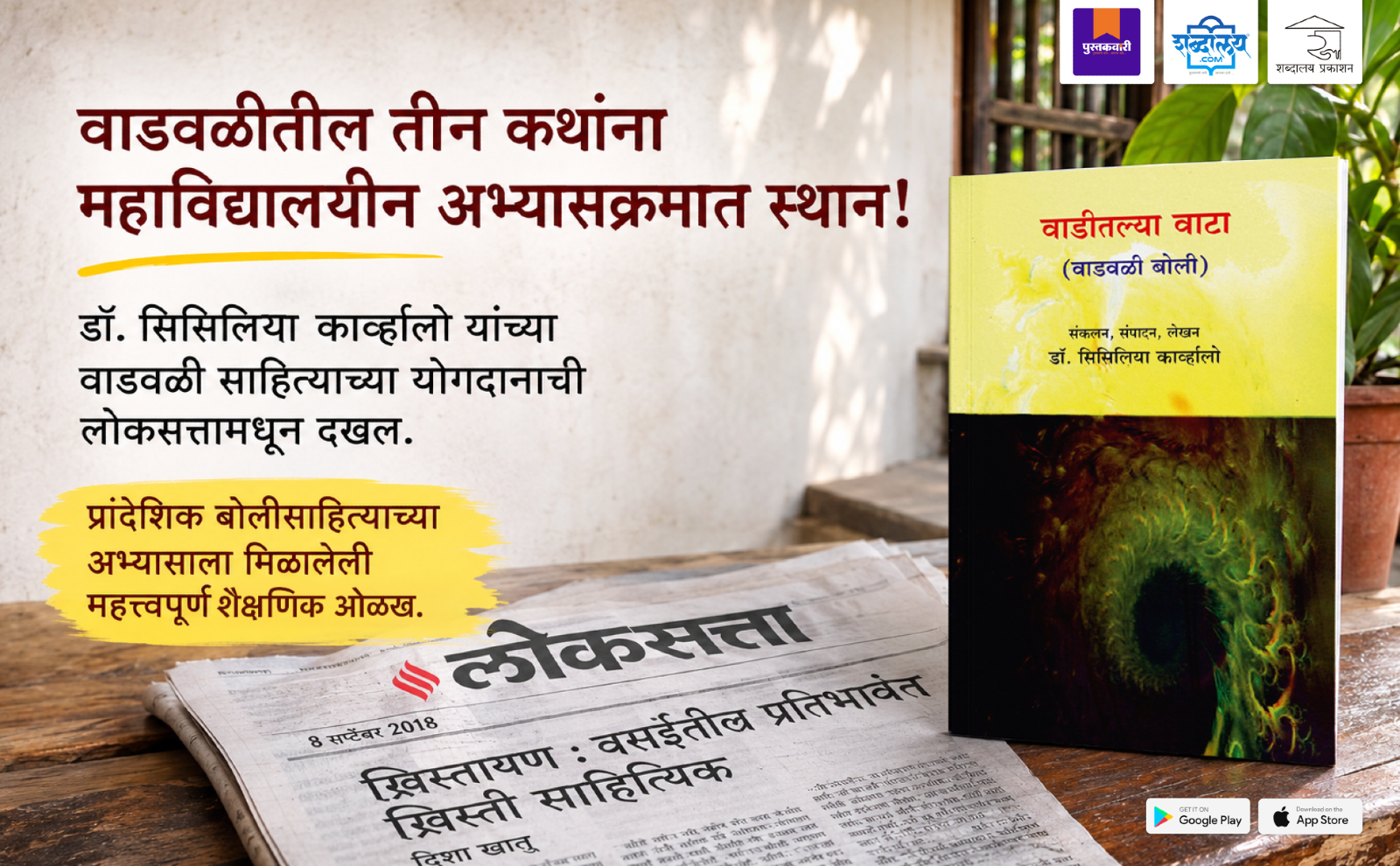
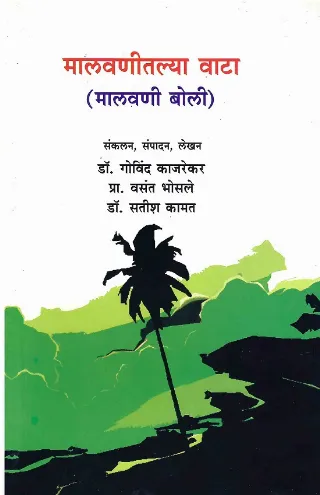
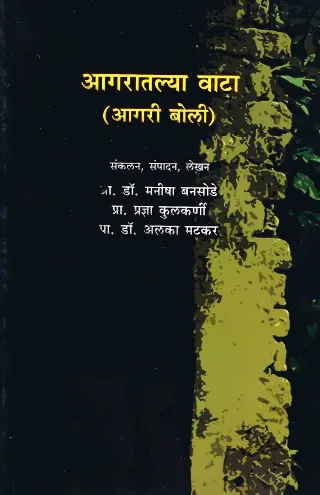
In the context of Standard Marathi, various dialects are found, such as Ahirani, Malvani, Varhadi, Dangi, Agri and Wadvali. Recognizing the need to study these dialects alongside the standard language, the Marathi Studies Board of the University of Mumbai introduced the study of Marathi dialects into its curriculum from the academic year 2017–18. By including three dialects—Agri, Malvani and Wadvali—in the syllabus, the Board has undertaken highly commendable work. This is an important step toward encouraging students and researchers to explore the study of dialects.
Book highlights

Read a preview
Drag or click a page edge to turn
Book images
About the author

डॉ. सिसिलिया कार्व्हालो Dr. Cecilia Carvalho
View Full ProfileMore by Dr. Cecilia Carvalho
Reviews & ratings
No reviews yet — be the first to share what you thought of this book.
Sign in to write a reviewNothing written here yet.
You may also like
Events & honours

Event
Three Important Books on Malvani, Vadvali and Agri Dialects Launched
“Malvanitlya Vata,” “Vaditlya Vata” and “Agaratlya Vata”—three academic books exploring Maharashtra’s Malvani, Vadvali and Agri…