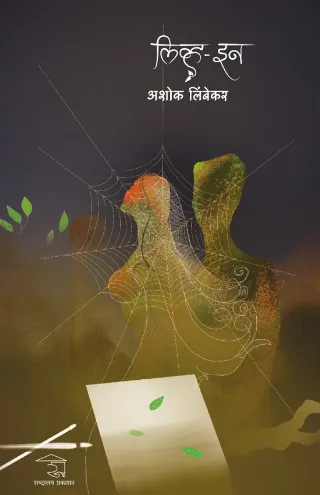
शब्दालय प्रकाशनाने प्रकाशित केलेली अशोक लिंबेकर यांची लिव्ह-इन कादंबरी आधुनिक महानगरीय जीवन, बदलते स्त्री-पुरुष संबंध, सहजीवन, वैयक्तिक स्वातंत्र्य आणि भावनिक गुंतागुंत यांचा वेध घेते. दिवाकर आणि मिष्टी यांच्या नात्यातून समकालीन समाजातील मानसिक, सामाजिक व कौटुंबिक प्रश्न उलगडतात.
Published by Shabdalaya Prakashan, Ashok Limbekar’s Marathi novel Live-In explores metropolitan life, changing relationships, companionship, personal freedom and emotional conflict. Through Divakar and Mishti, the novel examines the social, psychological and family questions surrounding contemporary relationships.
translateही कथा सध्या फक्त इंग्रजीत उपलब्ध आहे.This story is currently available in English only.
The period after the 1990s brought major changes to Indian society. Globalisation, urbanisation, technology and social media accelerated everyday life while reshaping communication, personal values and human relationships. Although people became digitally connected, emotional distance and loneliness also increased.
Ashok Limbekar’s Marathi novel Live-In is set within this changing social environment. Divakar and Mishti are at the centre of the narrative. The story unfolds through Divakar’s memories, emotional reflections and experiences from the past.
The novel suggests that meaningful companionship depends on love, trust, sacrifice, adjustment and mutual understanding. When these values weaken, relationships become vulnerable to emotional distance, misunderstanding and conflict.
Live-In explores the effects of metropolitan life and social media, changing attitudes towards intimacy and the greater personal freedom available to young adults. These developments create new possibilities but also raise complex social, psychological and family concerns.
Mishti represents an independent modern woman capable of making her own decisions and responding confidently to changing circumstances. Her character negotiates tradition and modernity, while Divakar’s emotional journey reflects memory, uncertainty and the difficulty of maintaining inner balance in a fast-moving world.
The novel also questions conventional definitions of happiness. It asks whether money, status, fame and material pleasure can provide lasting fulfilment or whether genuine happiness is found in simple experiences, meaningful relationships and emotional awareness.
Published by Shabdalaya Prakashan, Shrirampur, this 124-page Marathi novel encourages readers to reflect on live-in relationships, urban loneliness, personal freedom, modern womanhood and the changing foundations of love and companionship.
The period after the 1990s brought major changes to Indian society. Globalisation, urbanisation, technology and social media accelerated everyday life while reshaping communication, personal values and human relationships. Although people became digitally connected, emotional distance and loneliness also increased.
Ashok Limbekar’s Marathi novel Live-In is set within this changing social environment. Divakar and Mishti are at the centre of the narrative. The story unfolds through Divakar’s memories, emotional reflections and experiences from the past.
The novel suggests that meaningful companionship depends on love, trust, sacrifice, adjustment and mutual understanding. When these values weaken, relationships become vulnerable to emotional distance, misunderstanding and conflict.
Live-In explores the effects of metropolitan life and social media, changing attitudes towards intimacy and the greater personal freedom available to young adults. These developments create new possibilities but also raise complex social, psychological and family concerns.
Mishti represents an independent modern woman capable of making her own decisions and responding confidently to changing circumstances. Her character negotiates tradition and modernity, while Divakar’s emotional journey reflects memory, uncertainty and the difficulty of maintaining inner balance in a fast-moving world.
The novel also questions conventional definitions of happiness. It asks whether money, status, fame and material pleasure can provide lasting fulfilment or whether genuine happiness is found in simple experiences, meaningful relationships and emotional awareness.
Published by Shabdalaya Prakashan, Shrirampur, this 124-page Marathi novel encourages readers to reflect on live-in relationships, urban loneliness, personal freedom, modern womanhood and the changing foundations of love and companionship.