प्रसिद्धीPublished inतरुण भारत, सांस्कृतिक महाराष्ट्रTarun Bharat, Sanskritik Maharashtra section
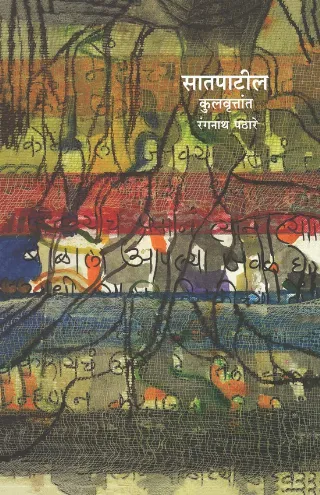
सातपाटील कुलवृत्तांत लिहिताना पात्रे, कुटुंबाचा इतिहास आणि बदलता समाज यांचा शोध कसा घेतला, याविषयी कादंबरीकार रंगनाथ पठारे यांनी अजय कांदर यांच्याशी संवाद साधला.
In a conversation with Ajay Kandar, novelist Ranganath Pathare reflects on how the characters, family history and changing society portrayed in Satpatil Kulvruttant took shape during the writing of the novel.
तरुण भारतच्या ‘सांस्कृतिक महाराष्ट्र’ पानावर प्रसिद्ध झालेल्या या संवादात कादंबरीकार रंगनाथ पठारे यांनी सातपाटील कुलवृत्तांतच्या निर्मितीविषयी आपले विचार मांडले आहेत. मुलाखतकार अजय कांदर यांच्याशी बोलताना ते लेखकाच्या मनात एखादी कल्पना कशी आकार घेते आणि ती दीर्घ कादंबरीत कशी विकसित होते, याचा वेध घेतात.
पठारे यांच्या मते, लेखक आपल्या अभिजात लेखनवृत्तीपासून पूर्णपणे दूर जात नाही; मात्र प्रत्येक नव्या साहित्यकृतीत त्याला वेगळी मांडणी, नवी पात्रे आणि त्यांचे स्वतंत्र जग शोधावे लागते. कादंबरी लिहिताना तो पात्रांच्या जीवनात गुंततो, त्यांचे प्रश्न समजून घेतो आणि त्या जगाशी दीर्घकाळ संवाद साधतो.
सातपाटील कुलवृत्तांतच्या निमित्ताने कुटुंबाचा प्रवास, पिढ्यांमधील बदल आणि व्यापक सामाजिक इतिहास यांचे परस्पर संबंध या संवादातून समोर येतात. कादंबरीची व्याप्ती वाढत असताना तिची रचना, भाषाशैली आणि कथनाचा वेग सांभाळण्याचे आव्हानही पठारे स्पष्ट करतात. पुस्तक आणि त्यामागील लेखनप्रक्रिया समजून घेऊ इच्छिणाऱ्या मराठी साहित्याच्या वाचकांसाठी ही मुलाखत उपयुक्त आहे.
Published in Tarun Bharat’s Sanskritik Maharashtra section, this interview examines the creative process behind Ranganath Pathare’s novel Satpatil Kulvruttant. Speaking with Ajay Kandar, Pathare considers how an idea gradually develops into the characters, setting and structure of a long work of fiction.
He describes a writer’s continuing connection with their established concerns while explaining that each new book requires its own approach. As a novel develops, its characters acquire distinct lives and questions; the writer must remain engaged with their world long enough to understand how those experiences fit together.
The conversation also considers the novel’s broad family narrative and the social changes visible across generations. Pathare discusses the demands of shaping such material into a coherent story, including decisions about structure, language and pace. For readers of contemporary Marathi literature, the interview offers context for both Satpatil Kulvruttant and the work involved in writing a substantial novel.