‘स्त्रीवाद’—अर्थापासून इतिपर्यंतचा व्यापक वैचारिक प्रवासStrivaad—A Comprehensive Journey Through the Meaning and Evolution of Feminism
१८ ऑक्टोबर २००६18 October 2006
सुमती लांडे आणि श्रुती तांबे यांनी संपादित केलेला ‘स्त्रीवाद’ हा ग्रंथ स्त्रीवादाची संकल्पना, इतिहास, चळवळी, अर्थकारण, साहित्य, धर्म आणि सामाजिक वास्तव यांचा बहुआयामी वेध घेतो. शब्दालयच्या वैचारिक प्रकाशन-परंपरेतील या महत्त्वपूर्ण ग्रंथाचे परीक्षण स्त्रीवादी विचारांची व्यापकता उलगडते.
Edited by Sumati Lande and Shruti Tambe, Strivaad presents a multidimensional examination of feminist concepts, history, social movements, economics, literature, religion and contemporary society. This review documents an important contribution to Shabdalay’s tradition of socially engaged and intellectually significant publishing.
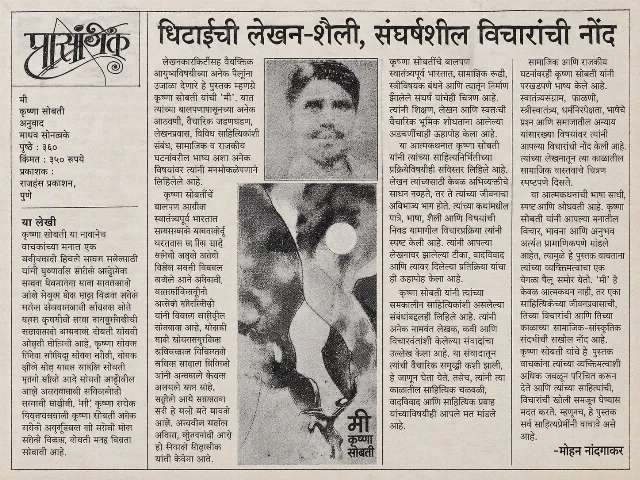
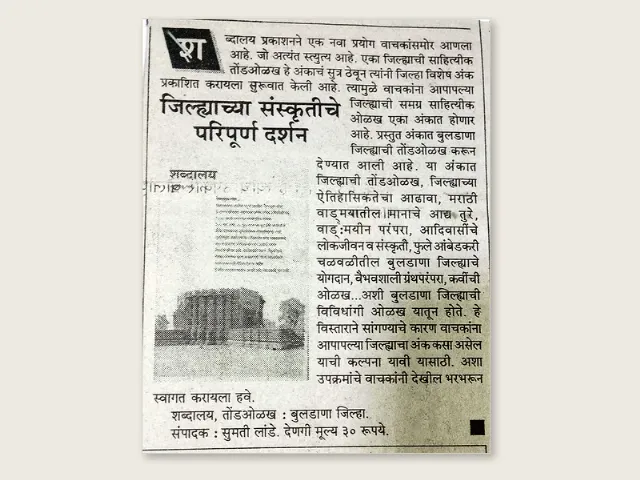
सुमती लांडे आणि श्रुती तांबे यांनी संपादित केलेला ‘स्त्रीवाद’ हा स्त्रीवादी विचारांचा विविध अंगांनी परिचय करून देणारा महत्त्वपूर्ण मराठी वैचारिक ग्रंथ आहे. कात्रणावरील हस्तलिखित नोंदीनुसार या पुस्तकाचे परीक्षण १८ ऑक्टोबर २००६ रोजी प्रसिद्ध झाले होते. ‘स्त्रीवाद : अर्थापासून इतिपर्यंत’ या शीर्षकातून पुस्तकाच्या व्यापक आशयाची ओळख होते.
पुस्तकाच्या पहिल्या भागात स्त्रीवादाची संकल्पना, त्याचा वैचारिक पाया आणि विविध स्त्रीवादी सिद्धांतांची चर्चा करण्यात आली आहे. स्त्रीवादाकडे केवळ स्त्रियांच्या स्वतंत्र प्रश्नांचा विषय म्हणून न पाहता समाजातील सत्ता, भूमिका, श्रमविभागणी, परंपरा आणि लिंगाधारित विषमता समजून घेण्याचा दृष्टिकोन म्हणून पाहिले जाते.
दुसऱ्या भागात स्त्री चळवळीचा इतिहास आणि सामाजिक परिवर्तनातील तिची भूमिका मांडण्यात आली आहे. स्त्रीवाद म्हणजे केवळ जग बदलण्याची संधी नसून पुरुषप्रधान व्यवस्थेत स्त्रीच्या हक्कांना, अनुभवांना आणि स्वतंत्र अस्तित्वाला न्याय मिळवून देण्याचा प्रयत्न असल्याचा विचार परीक्षणात अधोरेखित होतो.
पुढील भागांत अर्थव्यवस्था, श्रम, शेती, जागतिकीकरण आणि बदलत्या आर्थिक व्यवस्थेत स्त्रियांची स्थिती यांचे विवेचन केले आहे. रोजगार, उत्पादनव्यवस्था आणि आर्थिक निर्णयप्रक्रियेत स्त्रियांचा सहभाग असूनही त्यांच्या श्रमांना योग्य मान्यता मिळत नाही, हा महत्त्वाचा मुद्दा ग्रंथातून समोर येतो.
साहित्यविषयक विभागात स्त्रीवादी दृष्टिकोनातून साहित्याचे पुनर्वाचन करण्याचा प्रयत्न आहे. स्त्री-पुरुष संबंध, श्रद्धा, धर्म, परंपरा, सामाजिक संकेत आणि सांस्कृतिक प्रतिमा यांचा स्त्रीच्या अनुभवाशी असलेला संबंध विविध लेखांच्या माध्यमातून उलगडण्यात आला आहे.
हा ग्रंथ वाचकाला स्त्रीवादाचा इतिहास सांगण्यापुरता मर्यादित राहत नाही. समाज, साहित्य, अर्थकारण आणि मानवी संबंधांकडे अधिक संवेदनशील व चिकित्सक दृष्टीने पाहण्यासाठी तो वैचारिक साधने उपलब्ध करून देतो.
शब्दालयच्या Press & Media संग्रहातील हे कात्रण स्त्री-अभ्यास, सामाजिक समीक्षा आणि मराठी वैचारिक साहित्याला व्यासपीठ उपलब्ध करून देण्याच्या प्रकाशनाच्या भूमिकेची नोंद जपते. सुमती लांडे यांच्या संपादकीय आणि साहित्यिक प्रवासातील हा ग्रंथ शब्दालयच्या प्रगतिशील वैचारिक वारशाशी जोडलेला महत्त्वपूर्ण दस्तऐवज आहे.
Edited by Sumati Lande and Shruti Tambe, Strivaad is an important Marathi academic and intellectual work introducing readers to multiple dimensions of feminist thought. According to the handwritten archival note, the review was published on 18 October 2006. Its headline, Strivaad: Arthapasun Itiparyant, reflects the book’s wide conceptual scope.
The first part of the book discusses the meaning of feminism, its intellectual foundations and different schools of feminist theory. Feminism is presented not merely as a subject concerning women, but as a critical framework for understanding power, social roles, divisions of labour, traditions and gender-based inequality.
Another section examines the history and role of women’s movements in social transformation. The review emphasises that feminism seeks recognition of women’s rights, experiences and independent identities within social structures shaped by patriarchy.
The book also explores economics, labour, agriculture and the effects of globalisation on women. It draws attention to women’s substantial contribution to production and economic life, while examining the limited recognition and value frequently assigned to their labour.
Its literary discussions encourage readers to reconsider literature from feminist perspectives. Essays in the volume explore relationships between women’s experiences and subjects such as faith, religion, tradition, cultural representations and male–female relationships.
Rather than offering only a historical account of feminism, the volume equips readers with critical tools for examining society, literature, economics and human relationships with greater sensitivity.
Preserved in Shabdalay’s Press & Media archive, this clipping documents the publication house’s engagement with women’s studies, social criticism and intellectually significant Marathi literature. The book represents an important chapter in Sumati Lande’s editorial journey and Shabdalay’s progressive literary heritage.