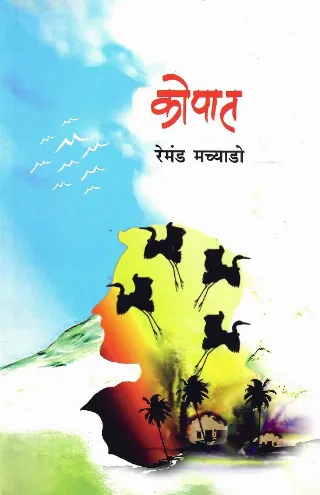
‘कोपात’ — रेमंड मचाडो यांची कादंबरी मुंबई विद्यापीठाच्या अभ्यासक्रमात समाविष्ट‘Kopat’ by Raymond Machado Included in the University of Mumbai Curriculum
workspace_premium
प्रदानConferred byमुंबई विद्यापीठUniversity of Mumbai
रेमंड मचाडो यांची वसईची संस्कृती आणि धार्मिक सहजीवनाचे चित्रण करणारी ‘कोपात’ मुंबई विद्यापीठाच्या अभ्यासक्रमात समाविष्ट.
Raymond Machado’s ‘Kopat’, a novel of Vasai’s culture and religious coexistence, has been placed on the University of Mumbai syllabus.
वसईची माती, वसईकरांचे जीवन, स्थानिक संस्कृती, धार्मिक सहजीवन आणि बदलत्या काळाचे वास्तव संवेदनशीलतेने शब्दबद्ध करणारी रेमंड मचाडो लिखित ‘कोपात’ ही महत्त्वपूर्ण मराठी कादंबरी मुंबई विद्यापीठाच्या अभ्यासक्रमात समाविष्ट झाली आहे. या कादंबरीला मिळालेली ही शैक्षणिक मान्यता तिच्या साहित्यिक सामर्थ्याबरोबरच वसईच्या सामाजिक आणि सांस्कृतिक इतिहासाचे जिवंत चित्रण करणाऱ्या साहित्यकृती म्हणून तिच्या महत्त्वाची दखल आहे.
‘कोपात’ ही केवळ एका व्यक्तीची किंवा एका कुटुंबाची कथा नाही; ती वसईच्या बदलत्या समाजजीवनाची व्यापक कहाणी आहे. मन्याचे बालपण, त्याचे आई-वडील, नातेवाईक, परिसर, गावातील मानसिकता, आशा-अपेक्षा, स्वप्ने, निराशा आणि जगण्यासाठीची झुंज यांमधून वसईतील सामान्य माणसांच्या आयुष्याचा समृद्ध पट उलगडत जातो.
रेमंड मचाडो यांनी या कादंबरीत वसईच्या ख्रिस्ती समाजाचे प्रातिनिधिक चित्रण केले आहे. त्याचवेळी ख्रिस्ती, हिंदू आणि मुस्लीम कुटुंबांचे परस्पर सहजीवन, धार्मिक सलोखा, माणुसकी आणि दुसऱ्याला मदत करण्याची वृत्ती यांसारखी मूल्येही प्रभावीपणे समोर येतात. त्यामुळे ‘कोपात’ ही एका विशिष्ट समाजाची कथा न राहता अनेक संस्कृती आणि समुदायांच्या सहअस्तित्वाचा साहित्यिक दस्तऐवज बनते.
या कादंबरीचे आणखी एक महत्त्वाचे वैशिष्ट्य म्हणजे अस्सल वसईकर भाषेचा आणि मराठी निवेदनशैलीचा वापर. स्थानिक बोलण्याची लय, परिसराशी जोडलेले शब्द आणि दैनंदिन जीवनातील भाषिक सहजता कादंबरीला वेगळी ओळख देतात. भाषा आणि भूगोल यांचा इतका जवळचा संबंध निर्माण होतो की वाचकासमोर जुन्या वसईचे जीवनचित्र जिवंतपणे उभे राहते.
जुन्या आणि नव्या संस्कृतीतील संक्रमण हा ‘कोपात’चा केंद्रस्थानी असलेला महत्त्वाचा विषय आहे. पारंपरिक जीवनमूल्ये, पूर्वेकडील सांस्कृतिक प्रभाव आणि वाढता पाश्चिमात्य प्रभाव यांच्यातून वसईच्या समाजात निर्माण होणारी नवी मानसिकता लेखकाने बारकाईने टिपली आहे.
रहदारीची साधने वाढणे, महानगरांशी संपर्क वाढणे आणि त्यातून होणारे सामाजिक, आर्थिक आणि राजकीय बदल कादंबरीच्या पार्श्वभूमीवर स्पष्टपणे जाणवतात. महानगर बनण्याच्या दिशेने वाटचाल करणाऱ्या वसईत वाढणारी संवेदनशून्यता, पैसा आणि चैनीचे वाढते महत्त्व, मतलबापुरती नाती आणि कुटुंबातील ममत्त्व कमी होण्याची प्रक्रिया याबद्दल लेखकाची अस्वस्थता कादंबरीत ठळकपणे व्यक्त होते.
या बदलांनंतरही माणुसकी, आपुलकी, परंपरा, धार्मिक सलोखा आणि सामूहिक जीवनमूल्ये हीच समाजाची खरी ताकद असल्याचा आशय ‘कोपात’मधून जाणवतो. त्यामुळे ही कादंबरी भूतकाळाविषयीची केवळ भावनिक आठवण राहत नाही, तर बदलत्या समाजव्यवस्थेवर संवेदनशील आणि चिकित्सक भाष्य करते.
मुंबई विद्यापीठाच्या अभ्यासक्रमात ‘कोपात’चा समावेश होणे म्हणजे वसईच्या संस्कृतीचे, प्रादेशिक मराठी साहित्याचे आणि सामाजिक परिवर्तनाचे अभ्यासमूल्य मान्य करणारी महत्त्वपूर्ण शैक्षणिक नोंद आहे. मराठी साहित्य, प्रादेशिक साहित्य, सामाजिक इतिहास, सांस्कृतिक अभ्यास आणि भाषिक विविधतेचा अभ्यास करणाऱ्या विद्यार्थ्यांसाठी ‘कोपात’ एक उपयुक्त आणि समृद्ध साहित्यकृती ठरते.
शब्दालय प्रकाशनासाठीही ही अभिमानाची बाब आहे. वसईच्या जीवनाचे, माणुसकीचे आणि बदलत्या सामाजिक वास्तवाचे प्रभावी चित्रण करणारी ‘कोपात’ विद्यार्थ्यांच्या अभ्यासाचा भाग बनणे ही या साहित्यकृतीच्या दीर्घकालीन महत्त्वाची पुष्टी आहे.
साहित्यकृती: कोपात
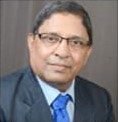
लेखक: रेमंड मचाडो
मान्यता: मुंबई विद्यापीठाच्या अभ्यासक्रमात समाविष्ट
साहित्यप्रकार: सामाजिक-सांस्कृतिक मराठी कादंबरी
केंद्रस्थानी: वसई, वसईकर आणि वसईची संस्कृती
प्रमुख विषय: धार्मिक सलोखा, सहजीवन, सामाजिक परिवर्तन, माणुसकी, परंपरा आणि बदलती मूल्यव्यवस्था
भाषिक वैशिष्ट्य: अस्सल वसईकर मराठी आणि स्थानिक जीवनाशी जोडलेली निवेदनशैली
‘Kopat’ by Raymond Machado Included in the University of Mumbai Curriculum
‘Kopat’ by Marathi writer Raymond Machado has been included in the University of Mumbai curriculum, marking an important academic recognition of a literary work deeply connected with the cultural, social and historical identity of Vasai. The novel stands out in Marathi literature for its sensitive portrayal of Vasai culture, community life, religious harmony and social transformation.
At its heart, Kopat is much more than the story of an individual or a family. It presents a broader portrait of Vasai and its people through the experiences of Manya, his childhood, his parents, relatives, neighbourhood and the social environment in which he grows up. His dreams, expectations, disappointments and struggles gradually become part of a larger narrative about a community facing change.
A major aspect of the novel is its representative portrayal of the Christian community of Vasai. At the same time, Raymond Machado also depicts Christian, Hindu and Muslim families living alongside one another, highlighting traditions of religious harmony, coexistence, mutual support and humanity.
One of the strongest features of Raymond Machado’s Kopat is its language. The novel carries the rhythm, flavour and emotional warmth of local Marathi spoken in Vasai. The natural use of regional expressions makes the narrative deeply rooted in its geographical setting and gives readers a vivid sense of place.
The novel also explores the tension between traditional values and modern social influences. As Vasai experiences greater connectivity, urban growth and the influence of metropolitan life, older ways of living begin to change. The narrative carefully traces the impact of Western influence, changing lifestyles and new economic aspirations on community relationships and cultural identity.
The growth of transportation and increased contact with urban centres bring wider social, political and economic changes. Raymond Machado presents these developments not only as signs of progress but also as forces that reshape relationships, family structures and personal priorities.
As Vasai gradually moves towards urbanisation, the novel expresses concern about increasing materialism, weakening emotional bonds and the rise of relationships based on convenience or self-interest. The diminishing sense of closeness between family members, friends and neighbours becomes an important part of the novel’s social commentary.
Despite these concerns, Kopat celebrates humanity, generosity, community values and religious coexistence. This balance between affection for traditional Vasai and a critical awareness of social change gives the novel its emotional and literary depth.
The inclusion of Kopat in the University of Mumbai syllabus confirms its importance for the academic study of Marathi literature. For students exploring regional Marathi literature, Vasai culture, social history, linguistic diversity and cultural transformation, the novel provides a rich and valuable literary resource.
For Shabdalaya Publication, this recognition is a proud milestone. It reflects the continuing importance of preserving regional voices and bringing socially meaningful Marathi literature to students, scholars and future generations.