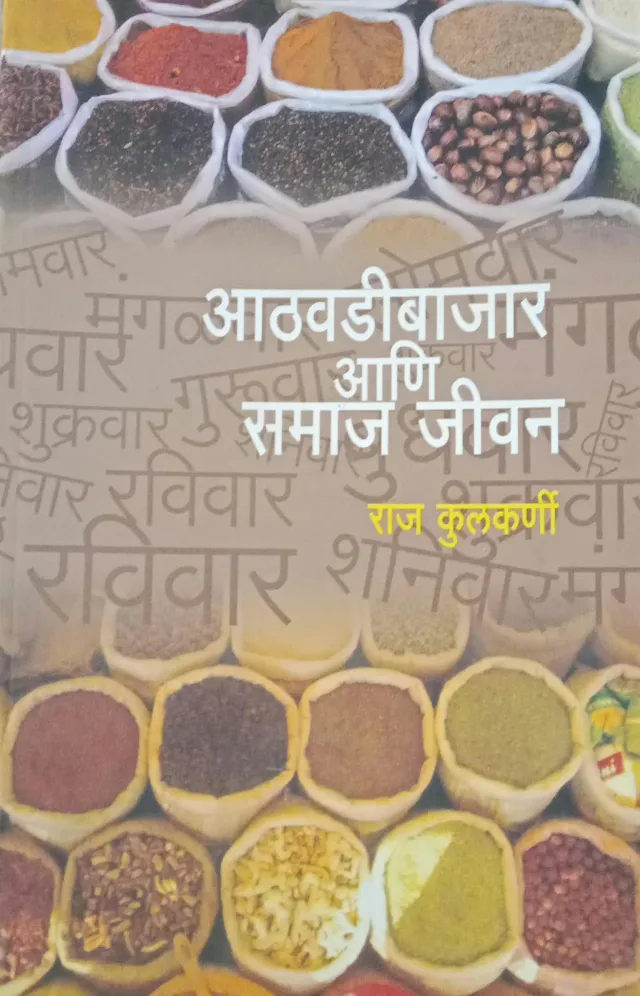
About this book
In ancient times, systems gradually evolved through the division of labour to meet human needs, while some were artificially created. Among these, the Balutedari system remained firmly established in India for a long period. Under this system, certain occupations became hereditary responsibilities passed down from one generation to the next.
Although this system is gradually disappearing due to globalisation and the enormous expansion of production and consumption networks, traces of its legacy, both positive and negative, can still be seen in the occupations represented in weekly markets. Raj’s observations reveal this continuing presence. Beyond the traditional twelve Balutedars, there are also several other occupations that particular castes and communities have practised hereditarily over generations.
Raj has taken note of these occupations and attempted to examine them from various perspectives, shedding light on their history, production methods, marketing strategies, and other related aspects. In studying weekly markets, he has recognised the importance of documenting these social dimensions. For this, he deserves considerable appreciation.
As mentioned earlier, when political and cultural history is studied separately from the lifestyle of the people concerned, certain aspects may be overlooked, causing important connections to be lost. Therefore, while studying people as consumers, becoming familiar with their lifestyles should also be considered an essential part of the research.
Book images
About the author
Reviews & ratings
No reviews yet — be the first to share what you thought of this book.
Sign in to write a reviewNothing written here yet.


