Durga Bhagwat (1910–2002) was a Marathi essayist and a scholar of Sanskrit, Pali and Buddhist literature, anthropology and the tribal folklore of central India, and one of the most independent minds in twentieth-century Marathi letters. Born on 10 February 1910 in Indore, she read Sanskrit at St. Xavier's College in Mumbai, broke off her studies in 1929 to join the independence movement, and completed her B.A. in 1932. Her M.A. essay on early Buddhist jurisprudence was published in Poona in 1939. In the 1930s she worked towards a doctorate under G. S. Ghurye, living in the forests of Madhya Pradesh to study how tribal and Hindu cultures had grown together, until he forbade her to go on. As an amateur archaeologist she also explored the antiquities of the Narmada riverbed.
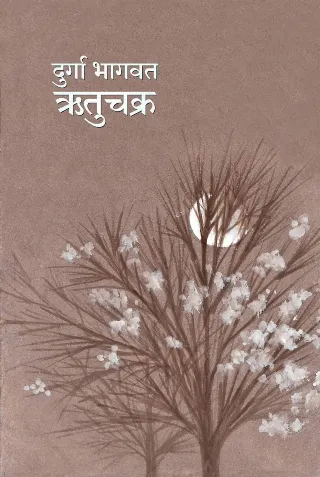
Her writing ranges over the Mahabharata, the saint-poets from Dnyaneshwar to Tukaram, ecology and even cookery. She translated Banabhatta's Kadambari from the Sanskrit. Vyasparva, Rutuchakra and Bhavmudra are among her original works, and the essays of Pais received the Sahitya Akademi Award in 1971.
As president of the 51st Akhil Bharatiya Marathi Sahitya Sammelan at Karad, held during the 1975–77 Emergency, she spoke out against censorship and authoritarian rule, and was arrested and briefly imprisoned. She declined state honours all her life. She died on 7 May 2002.