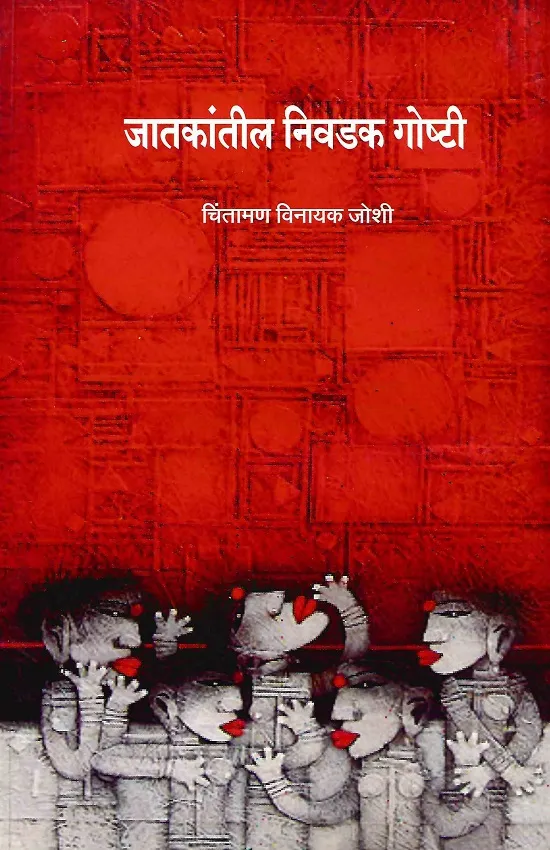
About this book
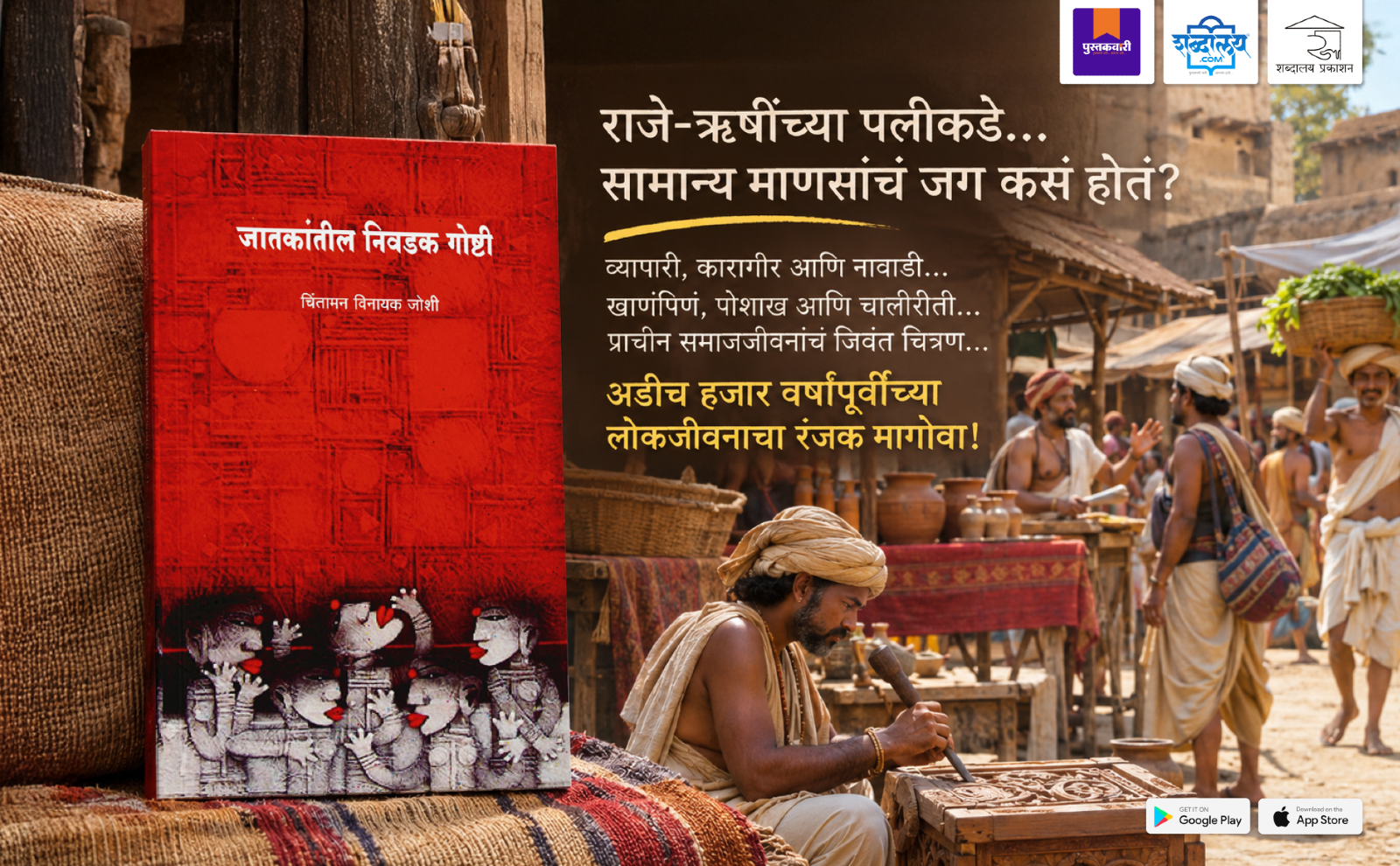
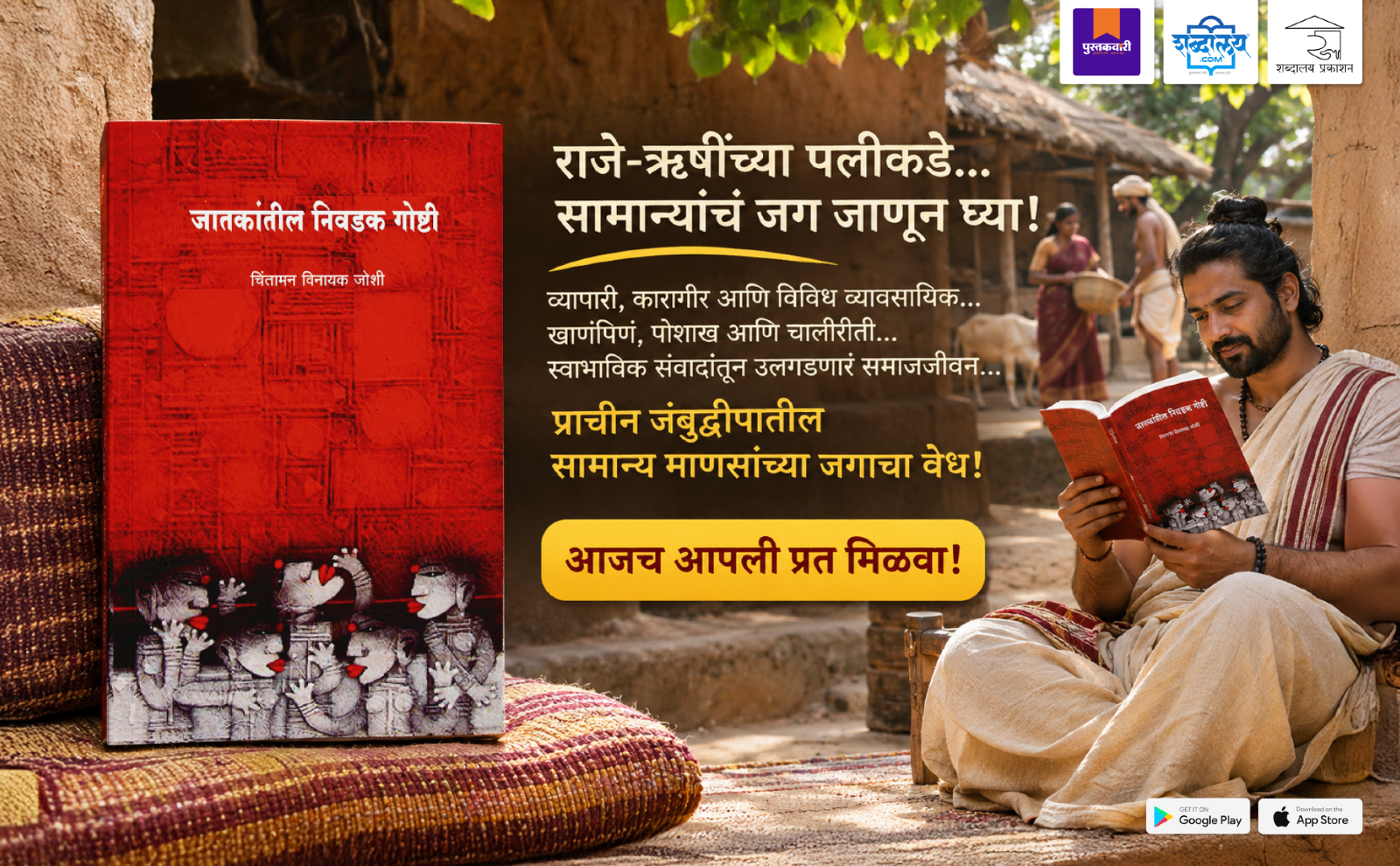
The political conditions of ancient Jambudvipa can be assessed through the Mahabharata, but its social conditions cannot be fully understood from that text alone. The Mahabharata and the Ramayana narrate stories about kings and sages, while their descriptions of cities and other places are often presented in exaggerated and extravagant colours. The Jataka, a work that emerged during the same period, provides insights into the lives of the middle and lower social classes.
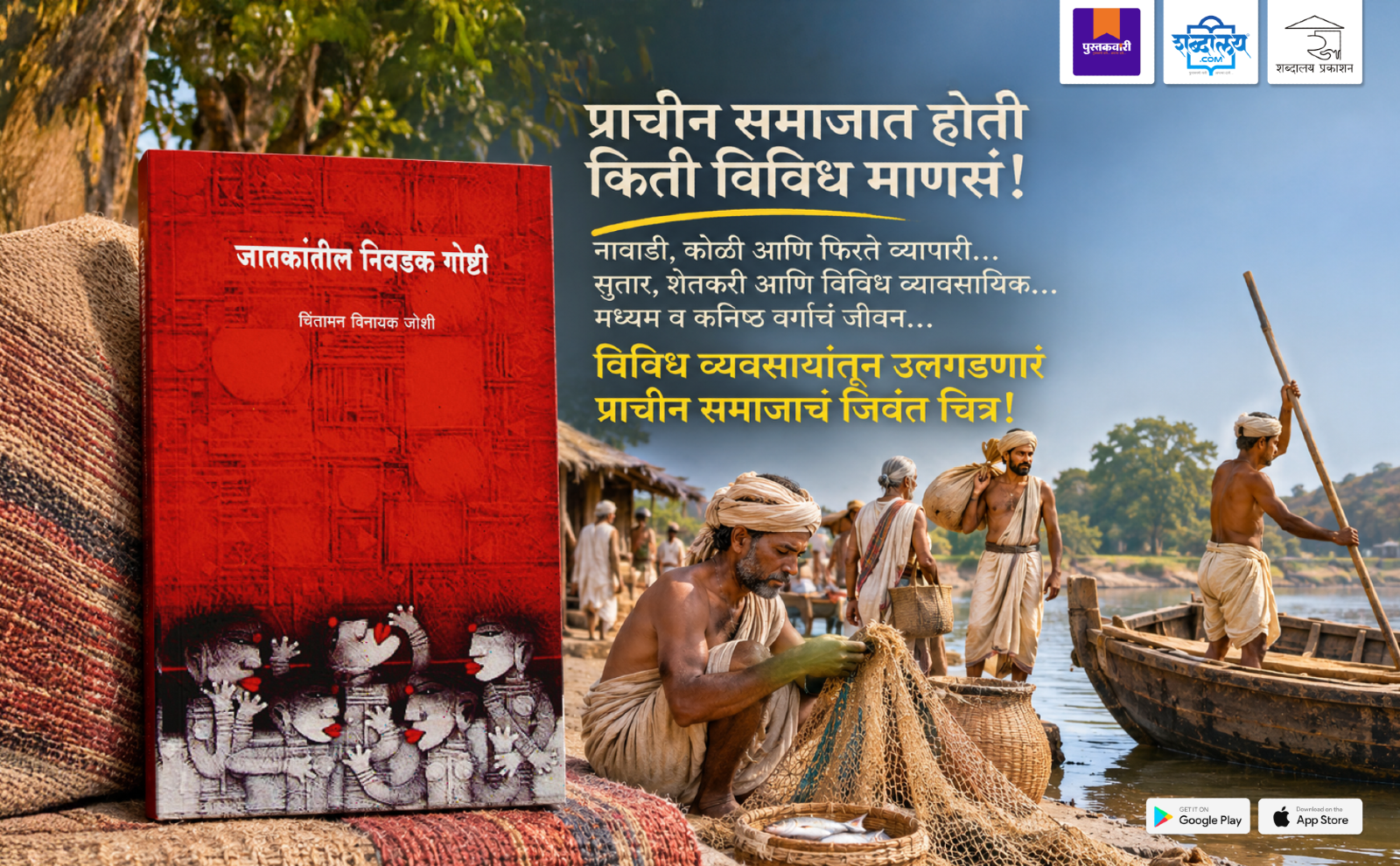
The Jataka stories offer a glimpse into the lives of various occupational groups in ancient Jambudvipa. These include itinerant merchants who traded in goods, gamblers who earned their livelihood through dice games, liquor sellers, drummers, carpenters who worked collectively as guilds, hunters who used traps, fishermen, Brahmins engaged in agriculture and hunting, professional singers, boatmen and outcastes known as Chandalas. They also reflect the lives of the middle classes, including wealthy merchants such as Anathapindika.
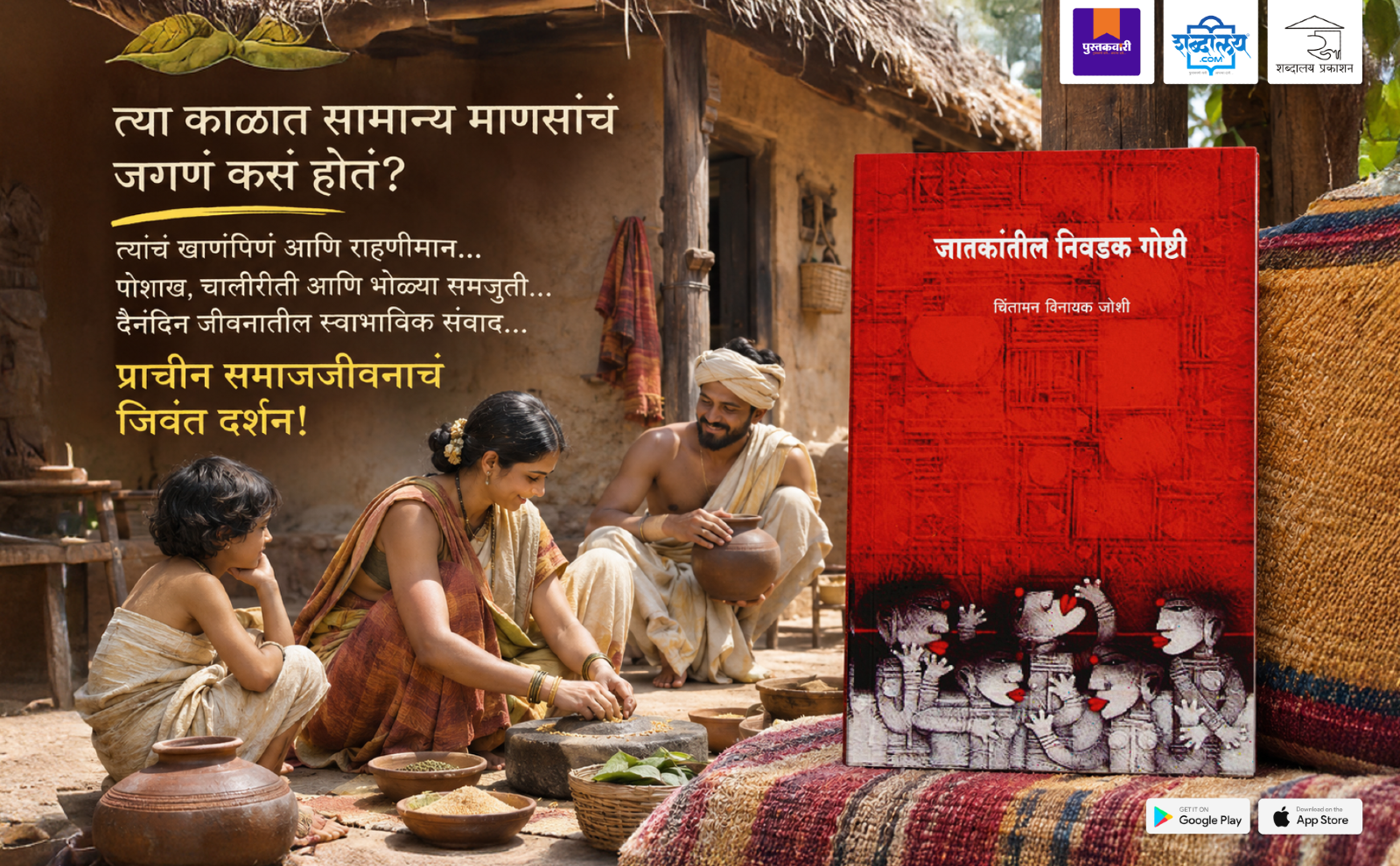
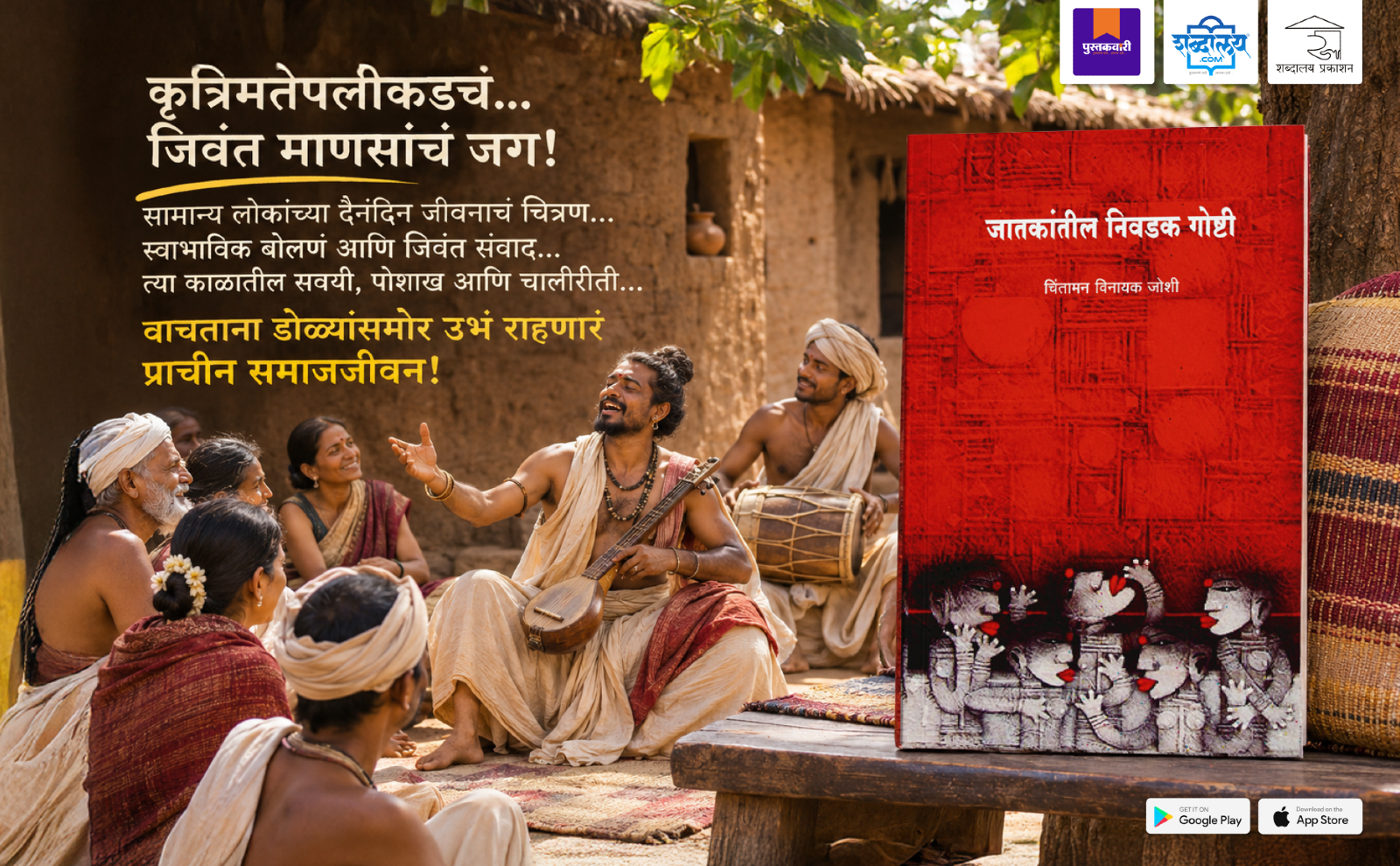
Through these stories, we gain an understanding of what people ate and drank, their customs and traditions, the popular superstitions and beliefs of the time, their clothing and their various habits and addictions. All this is presented through a natural and lively style of language. Unlike the artificiality often found in classical Sanskrit literature, the conversations in the Jataka stories vividly capture the spontaneity and naturalness of everyday life.
Book highlights
Read a preview
Drag or click a page edge to turn
Book images
Reviews & ratings
No reviews yet — be the first to share what you thought of this book.
Sign in to write a reviewNothing written here yet.