About this book
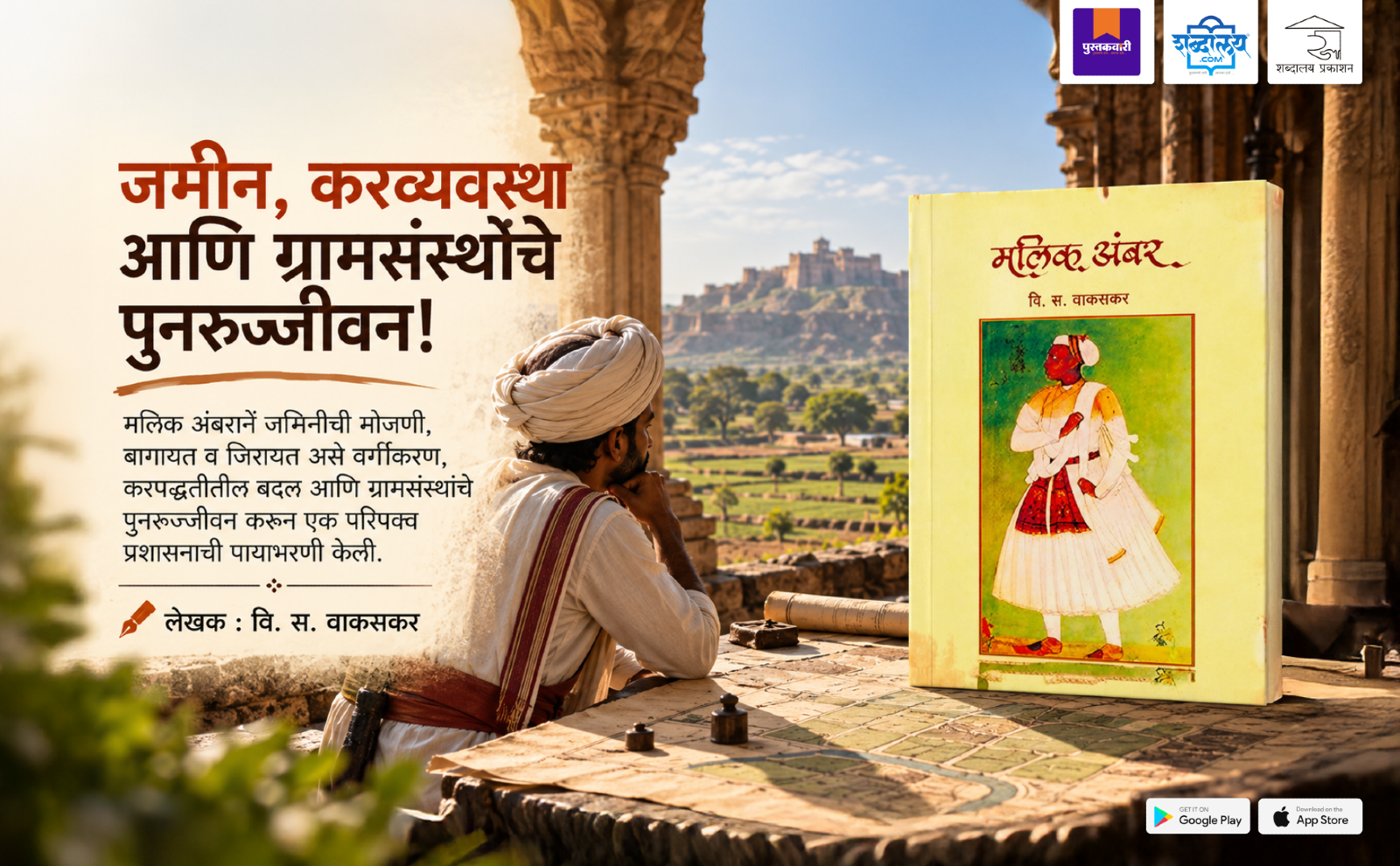
Malik Ambar introduced a system of land measurement. He classified agricultural land into two main categories—Bagayat (irrigated land) and Jirayat (rain-fed land)—and further divided each category into four grades. He fixed the land revenue at two-fifths of the agricultural produce, to be collected by the government in the form of grain.
He revived village institutions and established the hereditary rights and responsibilities (watans) of the village Patils and Kulkarni officials.
Later, observing that collecting a portion of the tax in the form of grain was inconvenient for both the cultivators and the administration, he introduced a new system around 1614. Under this arrangement, the total produce from each piece of land was assessed at its market value, and one-third of that value was collected in cash as land revenue.
Malik Ambar did not approve of the system of permanent revenue settlement introduced by Todar Mal in the Mughal Empire, and therefore he did not introduce that system in Maharashtra.
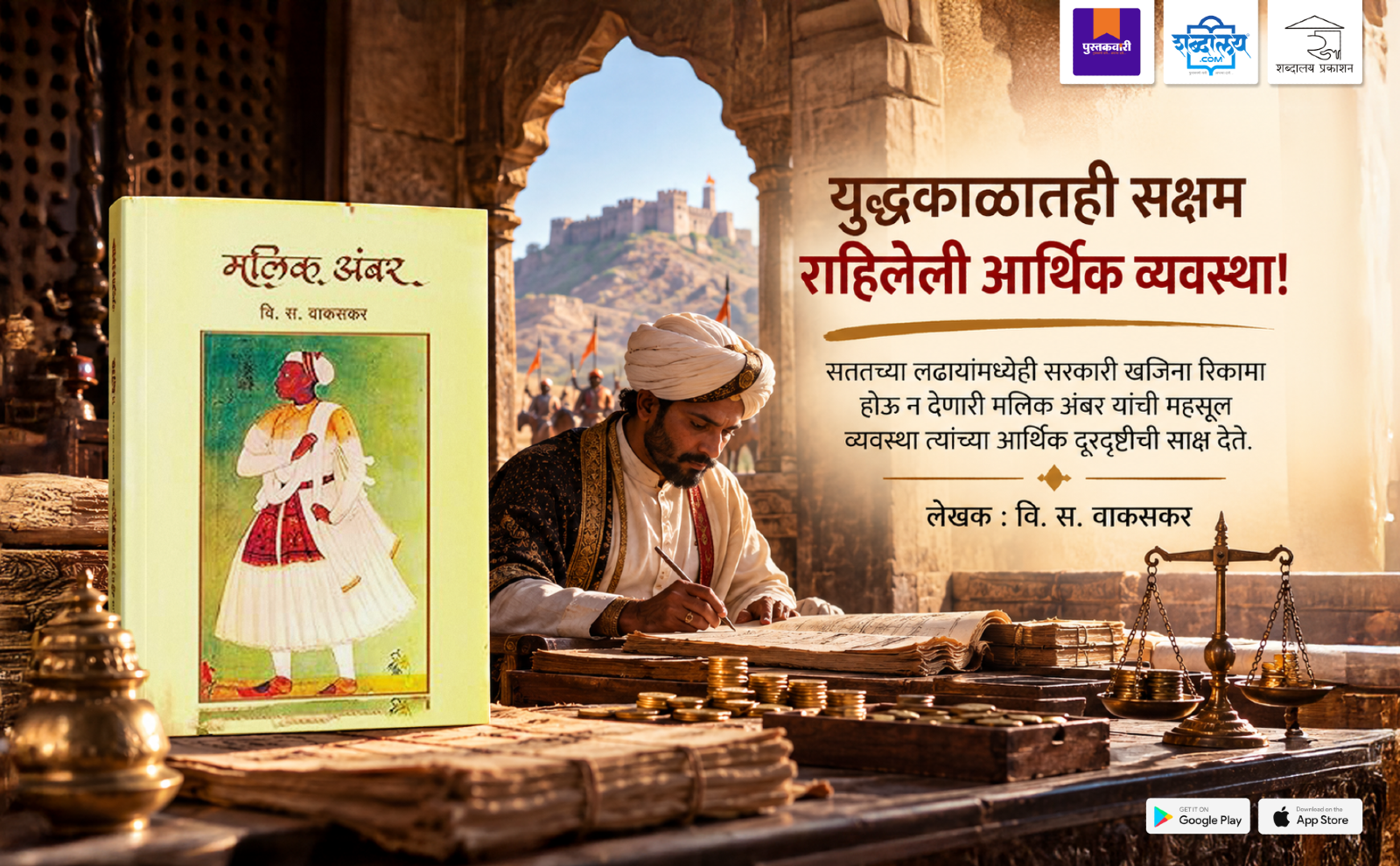
Despite the continuous wars during his lifetime, the government treasury was never completely depleted.
Book highlights



Read a preview
Drag or click a page edge to turn
Book images
About the author
Reviews & ratings
No reviews yet — be the first to share what you thought of this book.
Sign in to write a reviewNothing written here yet.