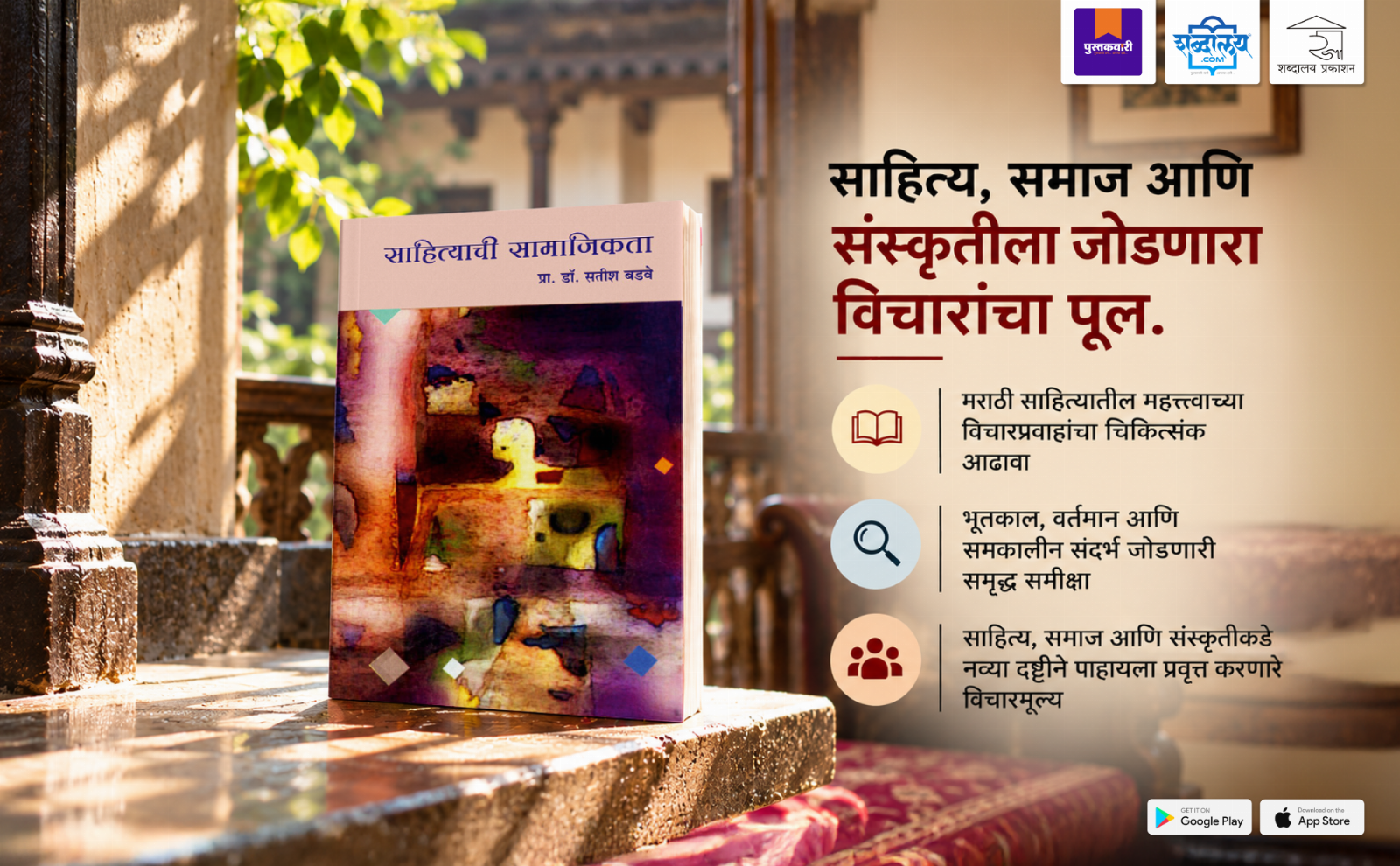
About this book
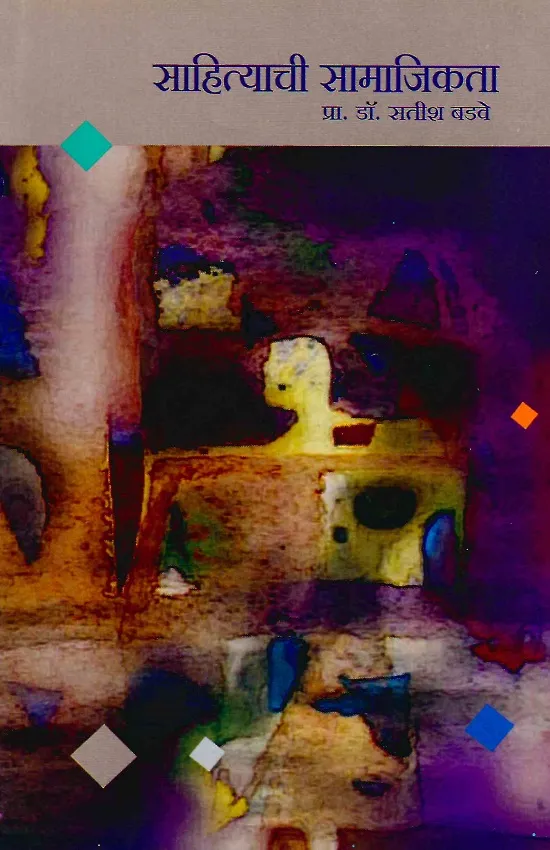
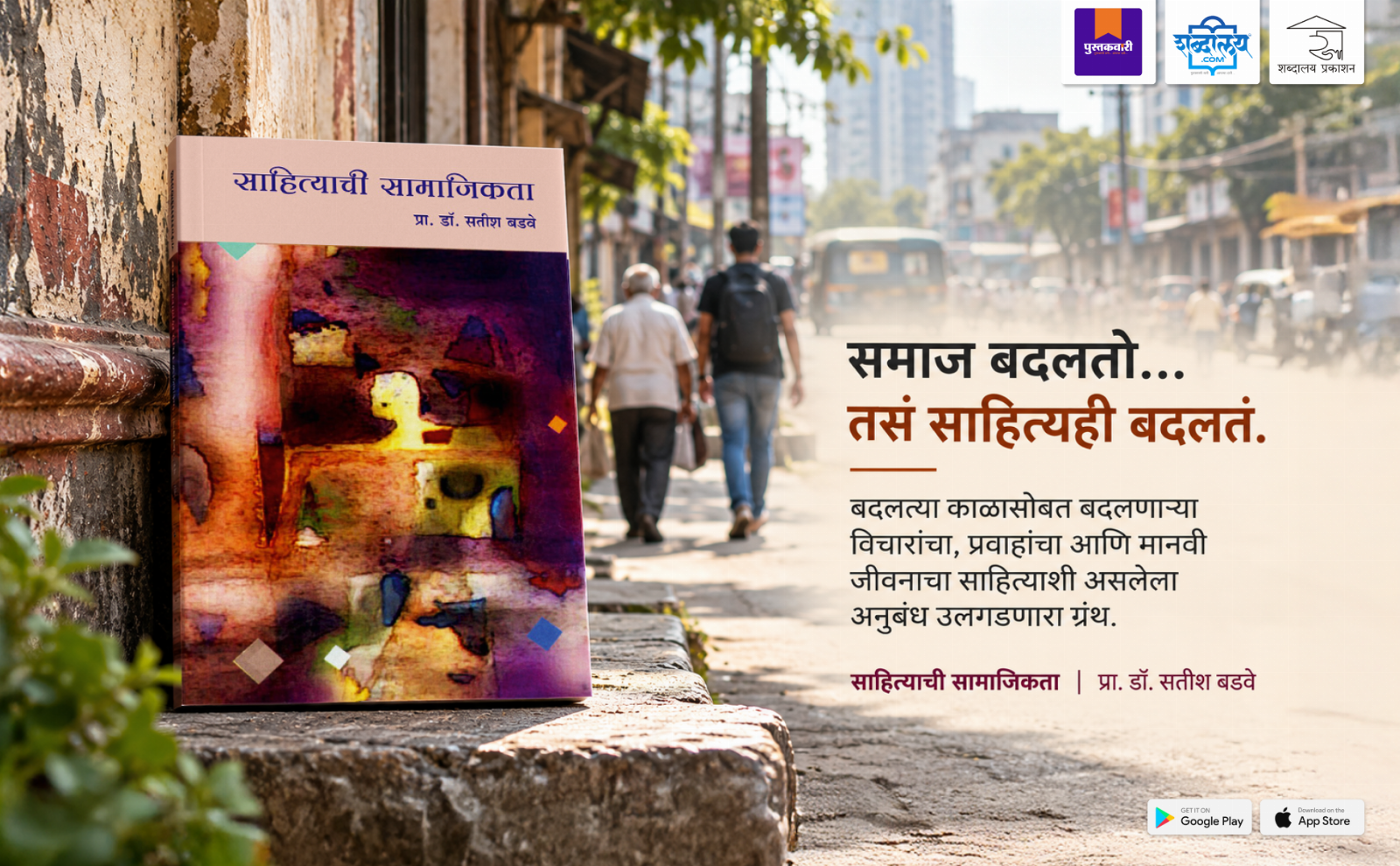
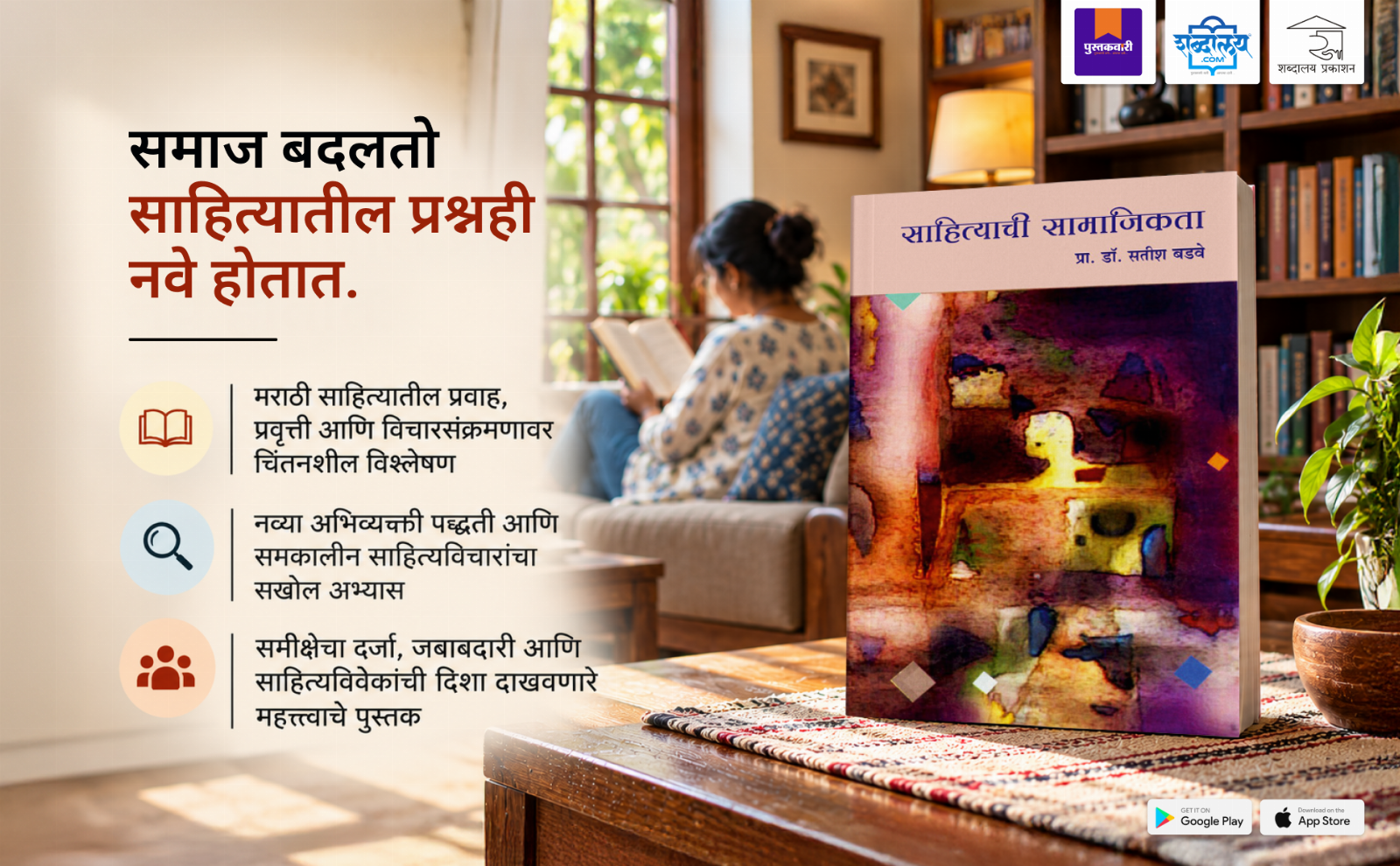
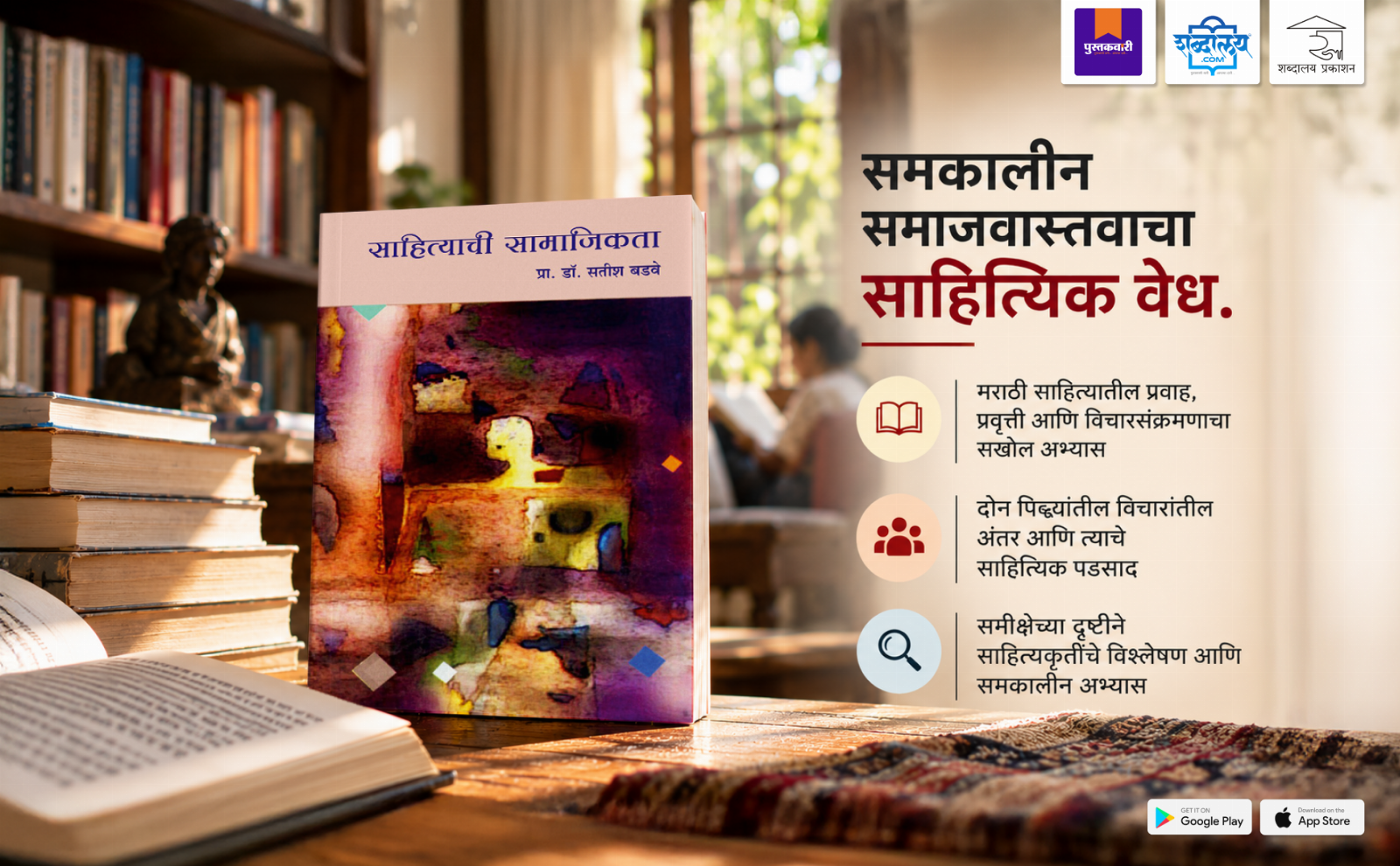
As time changes, so does the social reality. A continuous gap can be observed between the thoughts and perspectives of two generations. This gap reflects new ways of thinking, changing tendencies, and responses to contemporary realities. These changes find a clear and powerful expression in literary works as well. The transmission of ideas from one generation to another continues over time. In a sense, this process of convergence goes on uninterrupted.
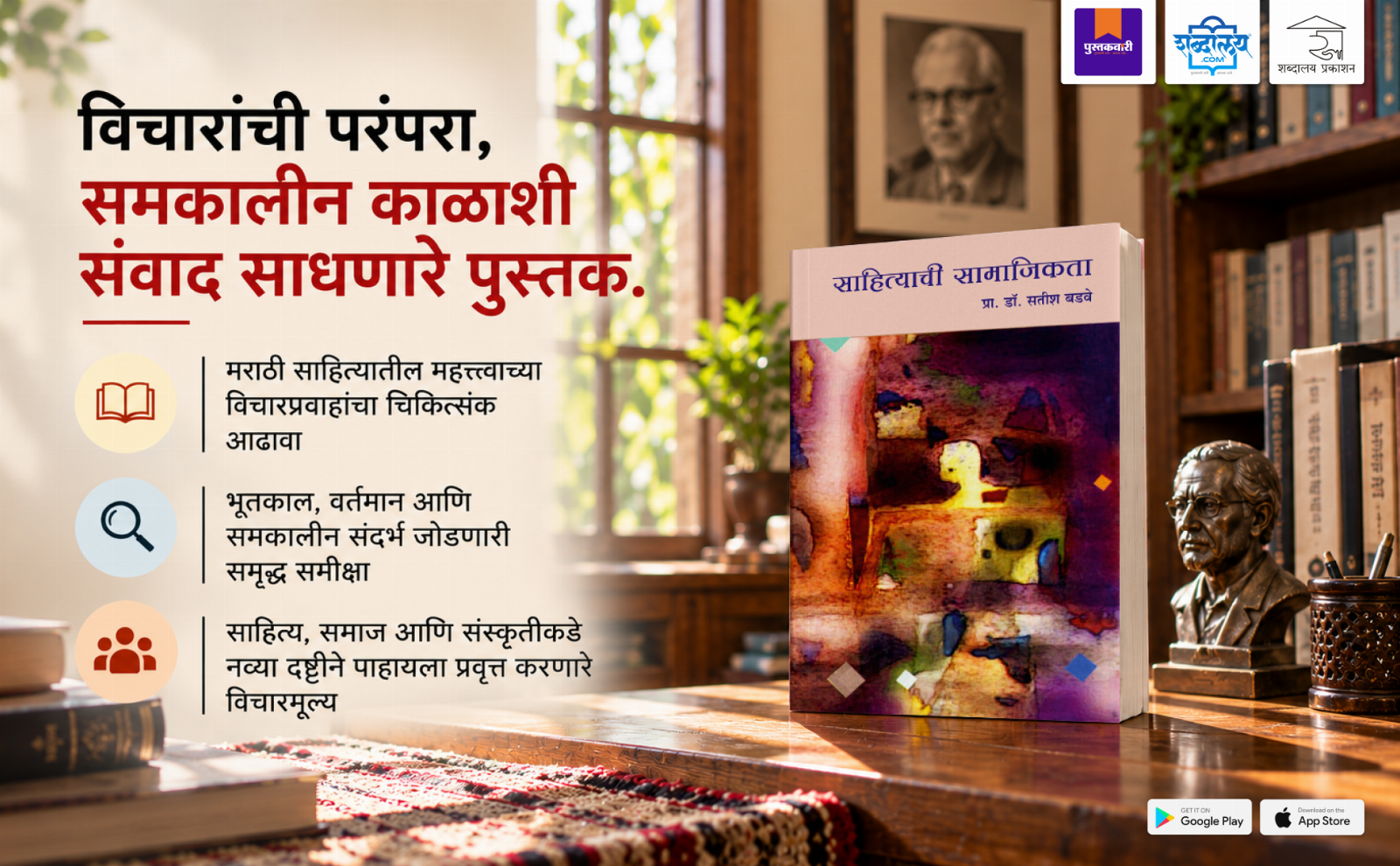
The process of convergence that has taken place in the evolution of Marathi literature becomes an important subject of literary inquiry. Through this reflection, one also begins to explore the subtle transformations that accompany this convergence. Along with understanding literary works, it becomes essential to engage in their analytical discussion.
Literary criticism records the emergence of new modes of expression, clearly defined literary movements, and the artistic expression of ideas concerning human life that emerge through them. The quality and progress of literary criticism depend on how seriously and thoughtfully these developments are examined.
Attempts are made to establish a critical framework by connecting literary practice with particular concepts or theories of literature. However, critical practice does not always follow one uniform or exact method. Nevertheless, it is an important responsibility of every literary critic to produce thoughtful and reflective writing that takes contemporary literary creation into account while maintaining an awareness of the broader literary landscape.
Book highlights
Read a preview
Drag or click a page edge to turn
About the author
More by Dr. Satish Badwe


Reviews & ratings
No reviews yet — be the first to share what you thought of this book.
Sign in to write a reviewNothing written here yet.