About this book
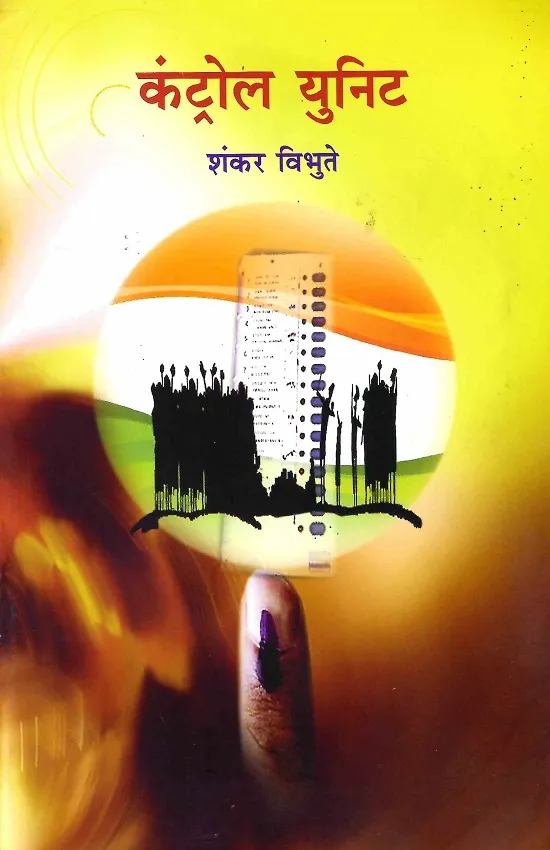
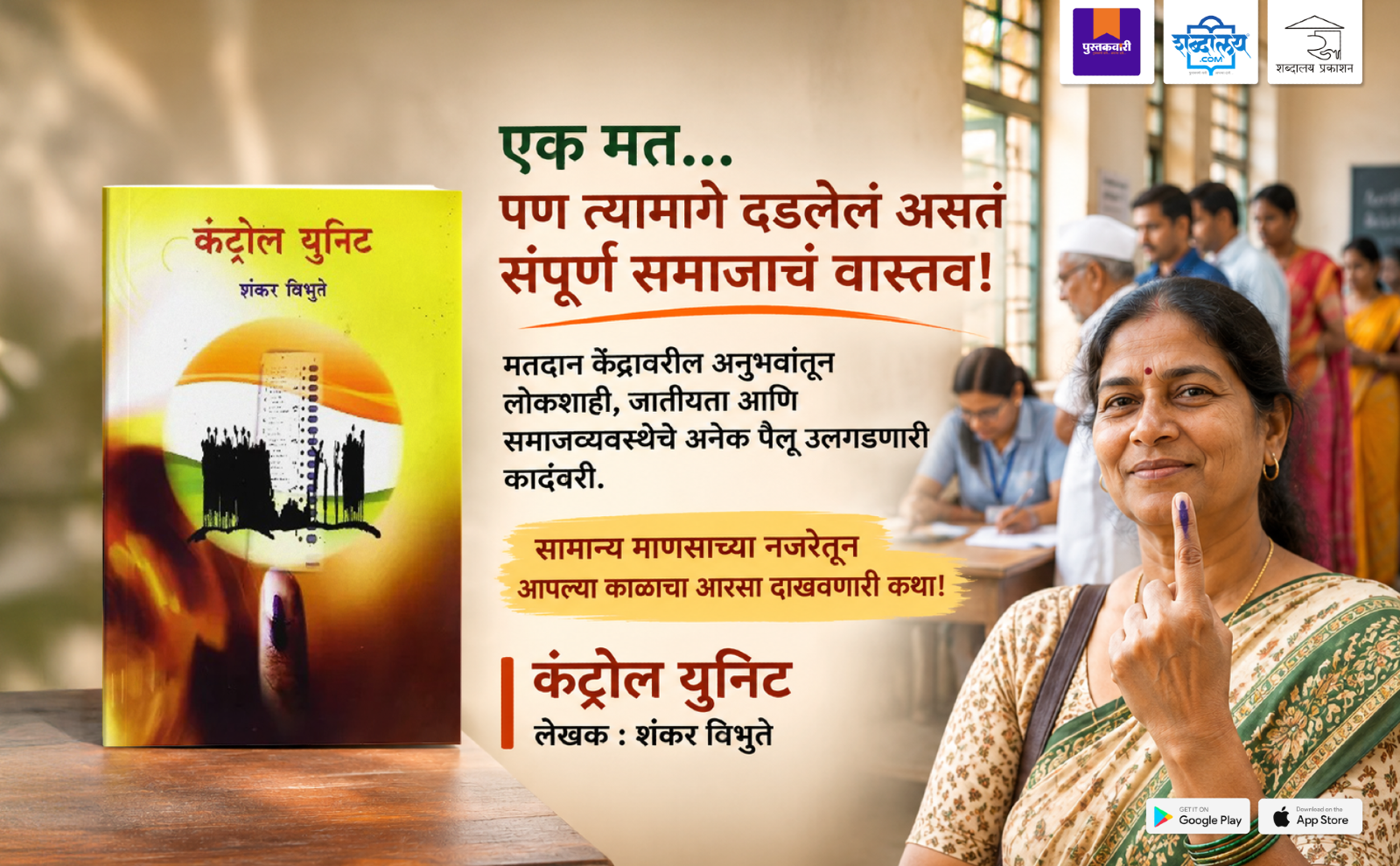
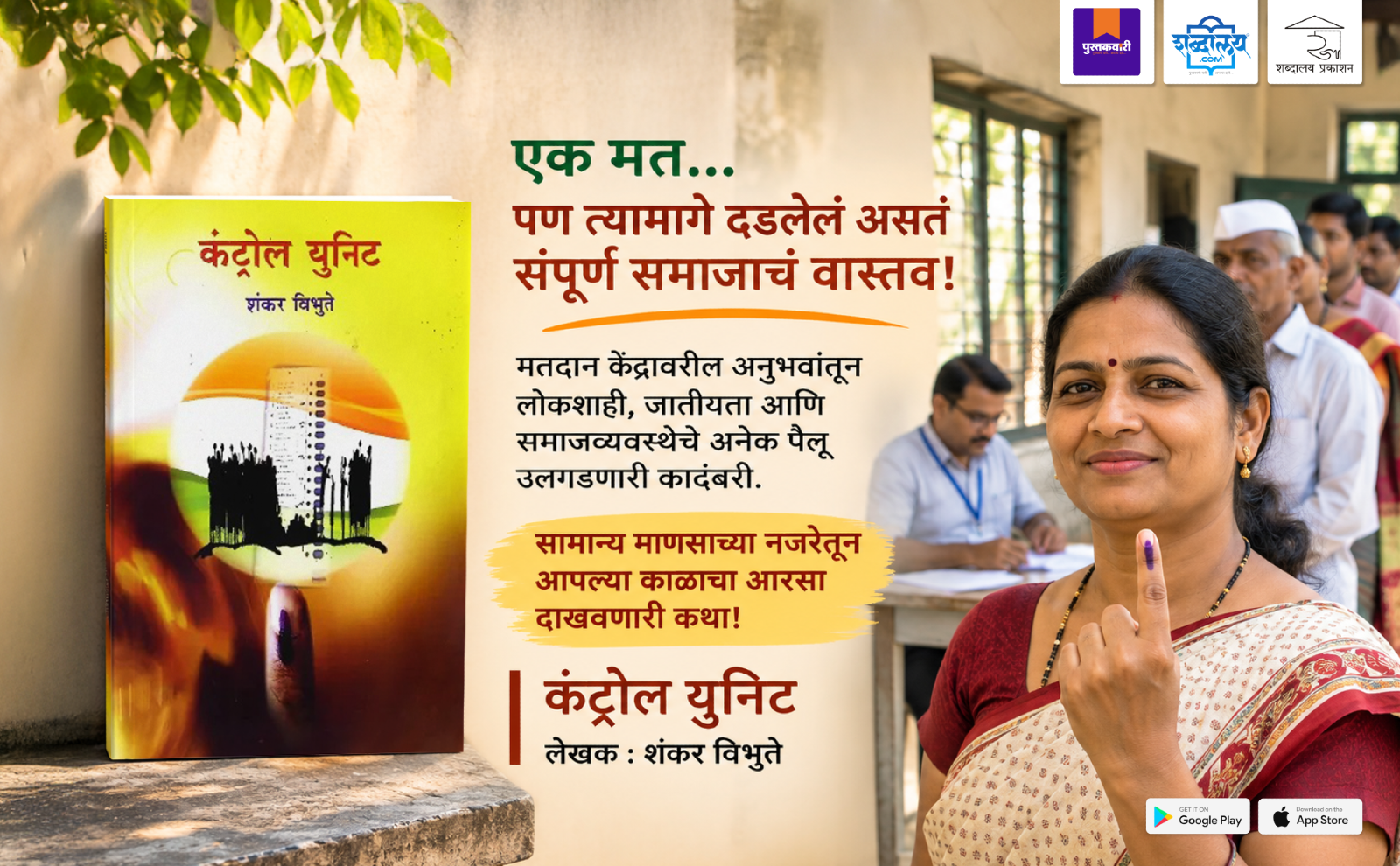
In his novel Control Unit, Shankar Vibhute presents a vivid and remarkably detailed account of the election and voting process. His narration is so authentic and authoritative that it brings out the finer aspects of the entire procedure. Had he confined himself to merely recounting these experiences, the work would have remained at the level of a personal account. However, by going beyond that, he has transformed the narrative into a full-fledged novel.
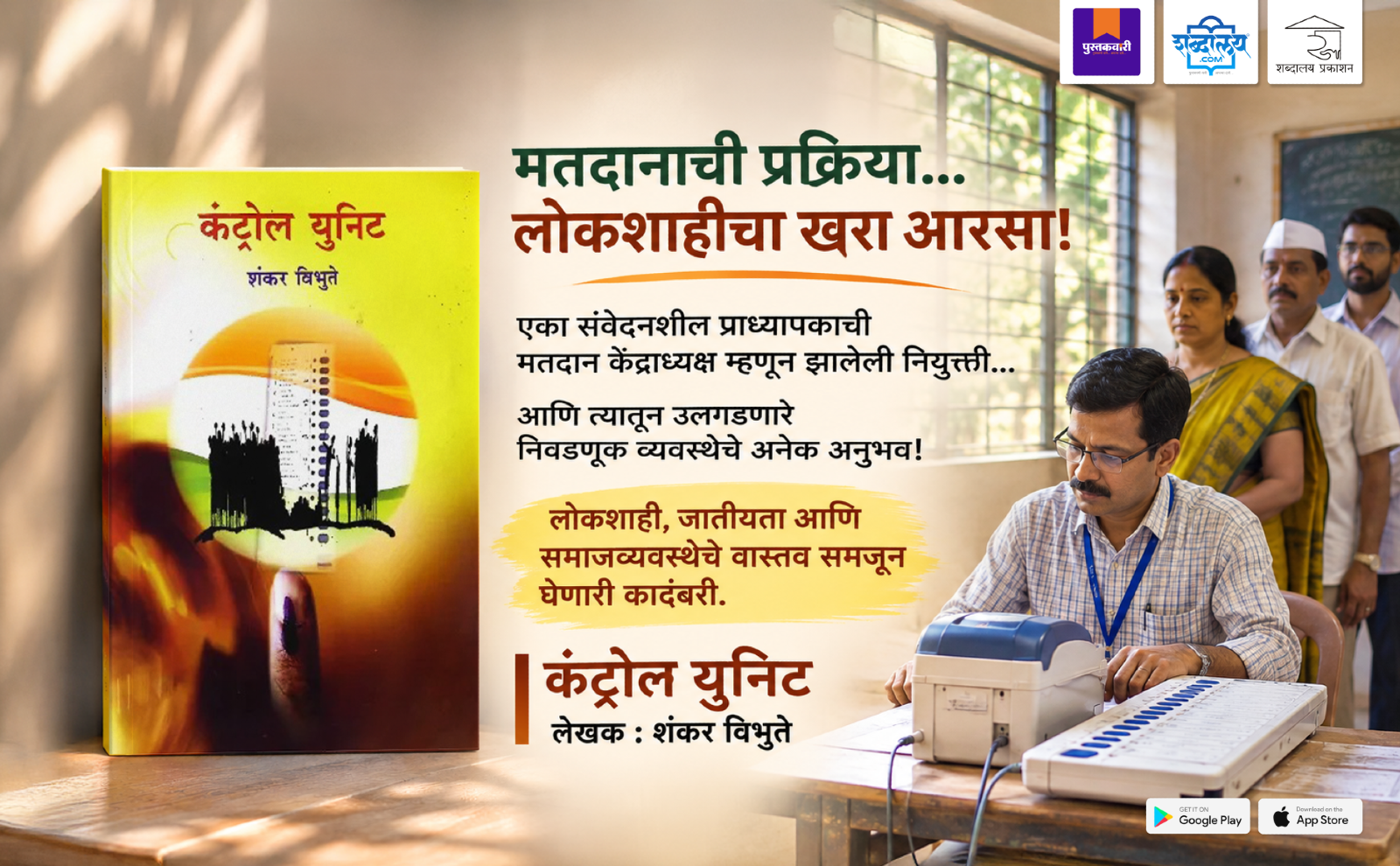
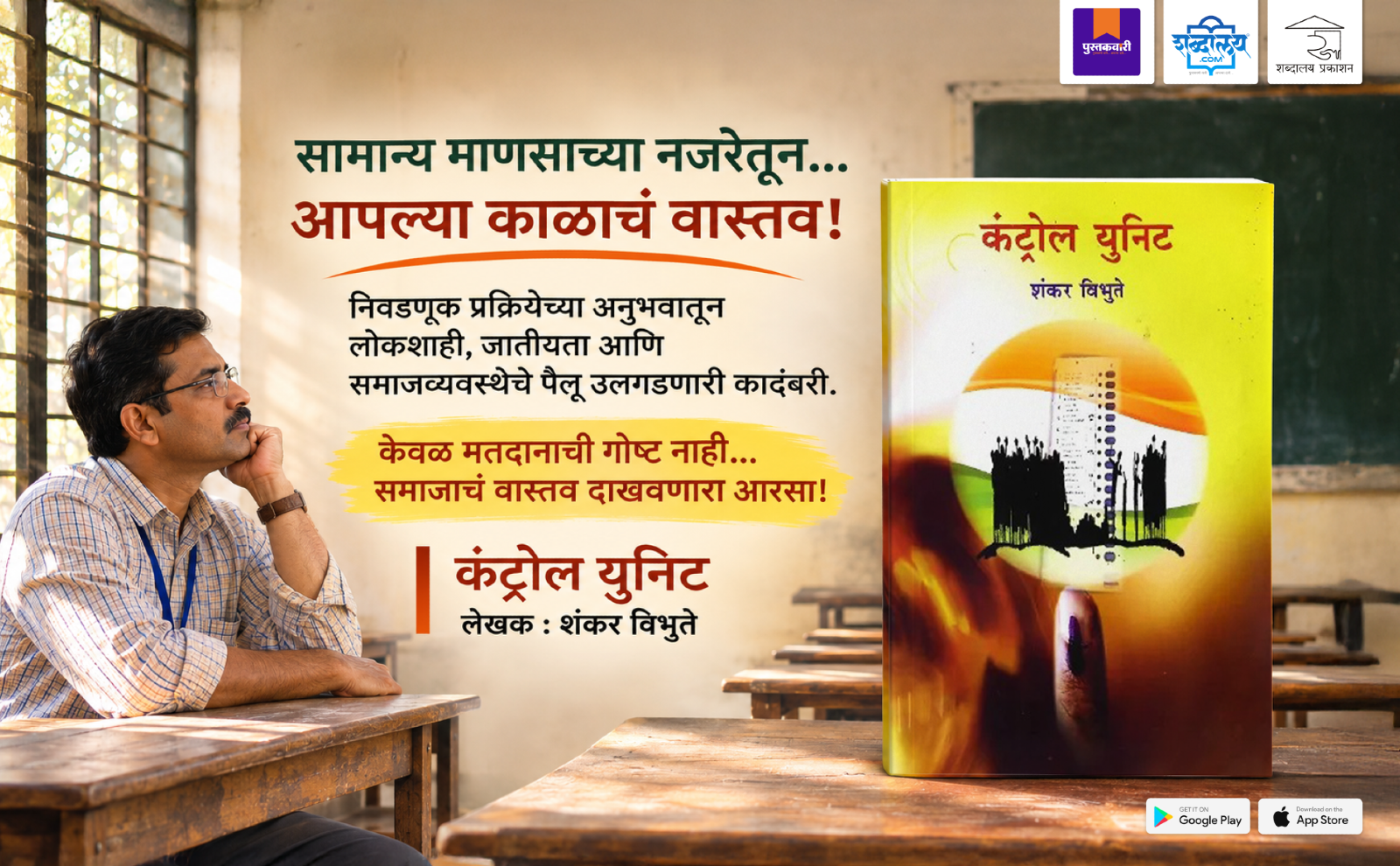
What exactly has he done? An ordinary, sensitive professor unexpectedly finds himself appointed as the Presiding Officer of a polling station, a responsibility he had never anticipated. The experiences he encounters in this role form the central thread of the story. But the novel goes much further.
Through this experience, the author offers a vivid portrayal of our democratic system, caste structure, caste-based discrimination, the electoral process, and our individual and collective understanding of these institutions. In a sense, the narrative presents a multifaceted subaltern understanding of our social system. Subaltern here means viewing society through the eyes of the common person.
The novel holds up a mirror that enables us to look directly at the times we live in, from the perspective of ordinary people. Creating this subaltern mirror is one of the novel's most significant achievements.
Book highlights

Read a preview
Drag or click a page edge to turn
Book images
About the author
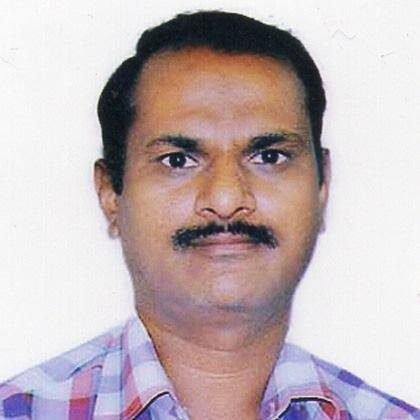
शंकर विभूते Shankar Vibhute
View Full ProfileReviews & ratings
No reviews yet — be the first to share what you thought of this book.
Sign in to write a reviewNothing written here yet.