‘देणे घेणे जीवघेणे’ कवितासंग्रहाची वृत्तपत्रात दखल—शब्दालयाच्या संग्रहातील साहित्यिक आठवणNewspaper Review of ‘Dene Ghene Jivghene’—A Literary Record Preserved by Shabdalay
१० ऑगस्ट १९९५10 August 1995
newspaper
प्रसिद्धीPublished inGomantak shabdasakala news paper sectionGomantak shabdasakala news paper section
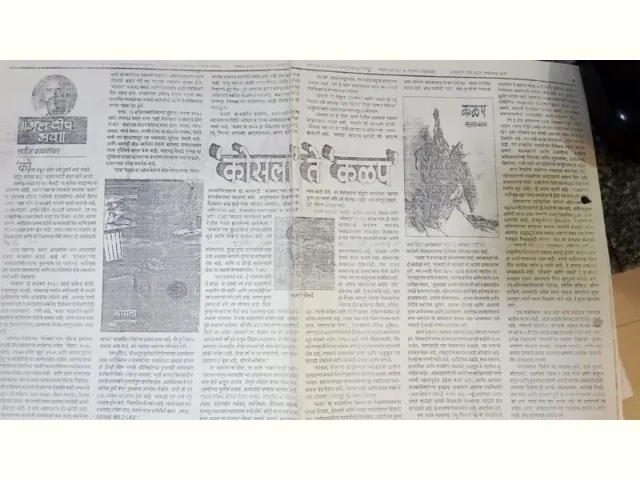
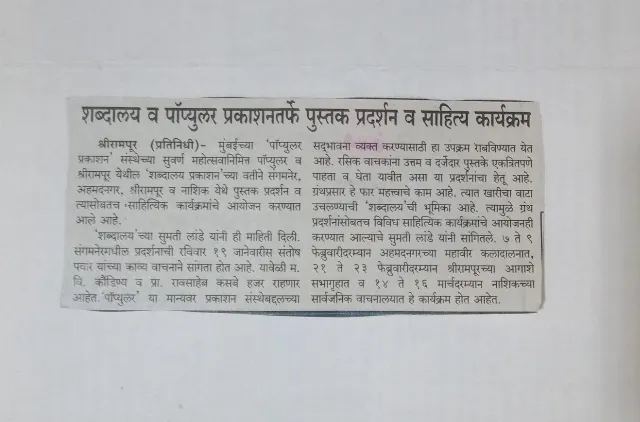
कवी सतीश सोळंकूरकर यांच्या ‘देणे घेणे जीवघेणे’ या कवितासंग्रहाचा भावविश्व, मानवी नातेसंबंध आणि अंतर्मनातील संवेदनशील देवाणघेवाण उलगडणारा संगीता अरुणे यांचा समीक्षा-लेख ‘गोमन्तक’च्या साहित्य पुरवणीत प्रकाशित झाला. शब्दालयाने जपलेले हे कात्रण मराठी साहित्याच्या माध्यम प्रवासाची महत्त्वपूर्ण नोंद आहे.
Sangeeta Arune’s newspaper review of poet Satish Solankurkar’s collection ‘Dene Ghene Jivghene’ examines its emotional world, human relationships and sensitive exchange of inner experiences. Preserved by Shabdalay, the clipping documents an important moment in Marathi literary journalism.
कवी सतीश सोळंकूरकर यांच्या ‘देणे घेणे जीवघेणे’ या कवितासंग्रहावर संगीता अरुणे यांनी लिहिलेला ‘अंतरीची जीवघेणी देवाणघेवाण!’ हा समीक्षा-लेख ‘गोमन्तक’च्या साहित्य पुरवणीत प्रकाशित झाला. या लेखात संग्रहातील मानवी नातेसंबंध, प्रेम, भावनिक संघर्ष आणि अंतर्मनातील संवेदनशील अनुभवांचा चिकित्सक वेध घेण्यात आला आहे.
कवितासंग्रहातील रचना व्यक्तिगत भावविश्वापुरत्या मर्यादित राहत नाहीत. ग्रामीण आणि शहरी जीवनानुभव, स्त्री-पुरुष संबंध, सामाजिक संवेदनशीलता आणि बदलत्या मानवी मूल्यांचे प्रतिबिंबही कवितांमधून व्यक्त होते. साध्या भाषेत मांडलेले अनुभव वाचकाला स्वतःच्या नात्यांकडे आणि भावनांकडे नव्याने पाहण्यास प्रवृत्त करतात.
मराठी पुस्तके आणि लेखकांविषयी वृत्तपत्रे व साहित्यिक पुरवण्यांमध्ये प्रकाशित झालेल्या समीक्षा साहित्याच्या प्रसारात महत्त्वाची भूमिका बजावतात. शब्दालयाने जपलेले हे कात्रण मराठी कविता, पुस्तक समीक्षा आणि साहित्यिक पत्रकारितेच्या इतिहासातील एक संस्मरणीय दस्तऐवज आहे.
“Antarichi Jivgheni Devanghevan!”, written by Sangeeta Arune, is a newspaper review of Satish Solankurkar’s Marathi poetry collection ‘Dene Ghene Jivghene’. The article examines the collection’s portrayal of human relationships, love, emotional conflict and sensitive inner experiences.
The poems extend beyond private emotions to reflect rural and urban experiences, relationships between men and women, social awareness and changing human values. Their accessible language encourages readers to reconsider the emotional exchanges that shape everyday relationships.
Newspaper reviews and literary supplements play an important role in introducing Marathi books and poets to a wider readership. Preserved in Shabdalay’s News & Media archive, this clipping is a valuable record of Marathi poetry, book criticism and literary journalism.