About this book
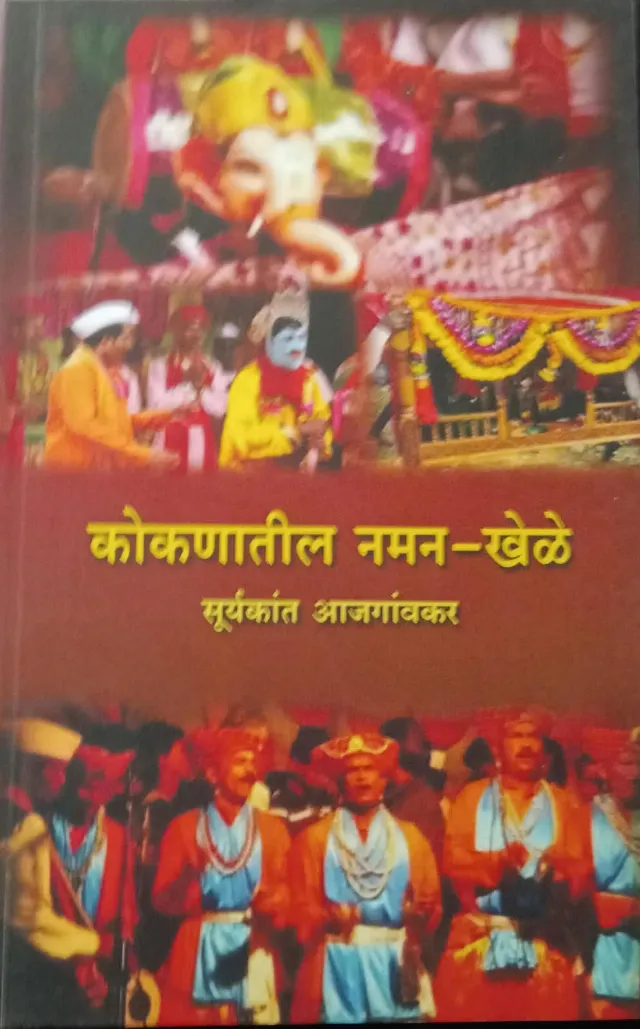
From the twelve Naman performances in the opening section (Purvarang) to the concluding Aarti in the final section (Uttarang), these traditional elements form the performance structure of the folk theatre form known as Naman-Khele. Groups performing Naman-Khele in the Konkan region have consciously preserved this traditional theatrical format.
Some groups have introduced changes while ensuring that the basic structure of Naman-Khele remains intact. For instance, instead of depicting Lord Ganesha on a curtain, they present him seated on a throne or riding a mouse; stage the story of Ganesha’s birth; or show the divine assembly of Lord Vishnu before the Naman-Khele performance begins.
Naman-Khele is an art form preserved and nurtured by the Kunbi community. Therefore, its performances reflect the culture, traditions and artistic heritage of this community. Having originated in this very region, the art form has developed and flourished alongside the social and cultural evolution of the Kunbi community.
The masks (Rupadi) of deities and the bamboo frameworks representing animals such as deer, pigs, tigers, bulls and horses used in this folk theatre have traditionally been crafted by skilled members of the Kunbi community, a practice that continues even today. This indicates that the people who developed and practised this art form possessed considerable expertise.
Although the Natyashastra of Bharata Muni describes techniques for making masks and structural frameworks, it would not be appropriate to conclude that the largely non-literate communities of that period acquired their knowledge of mask-making directly from this classical text.
Book images
Reviews & ratings
No reviews yet — be the first to share what you thought of this book.
Sign in to write a reviewNothing written here yet.