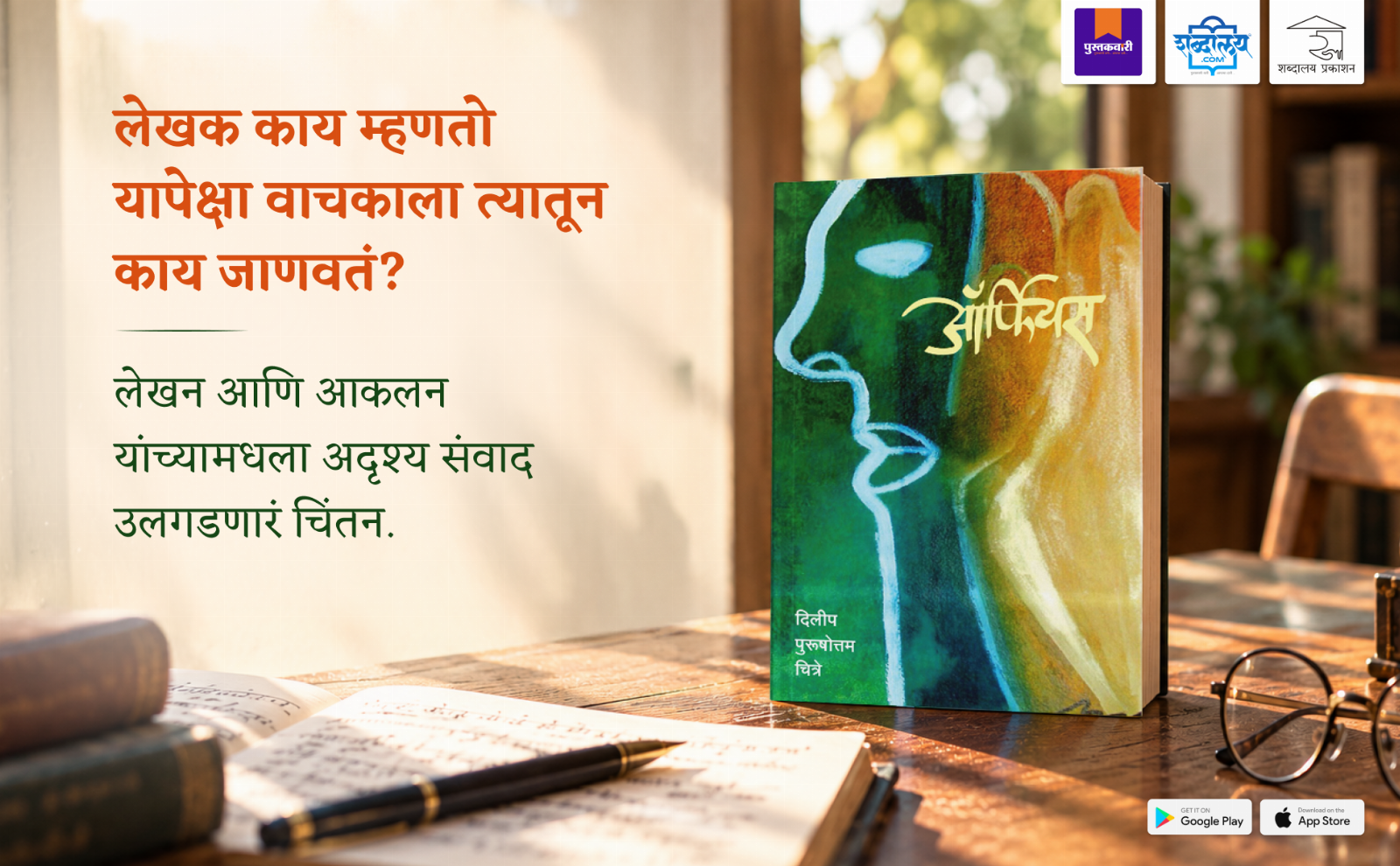
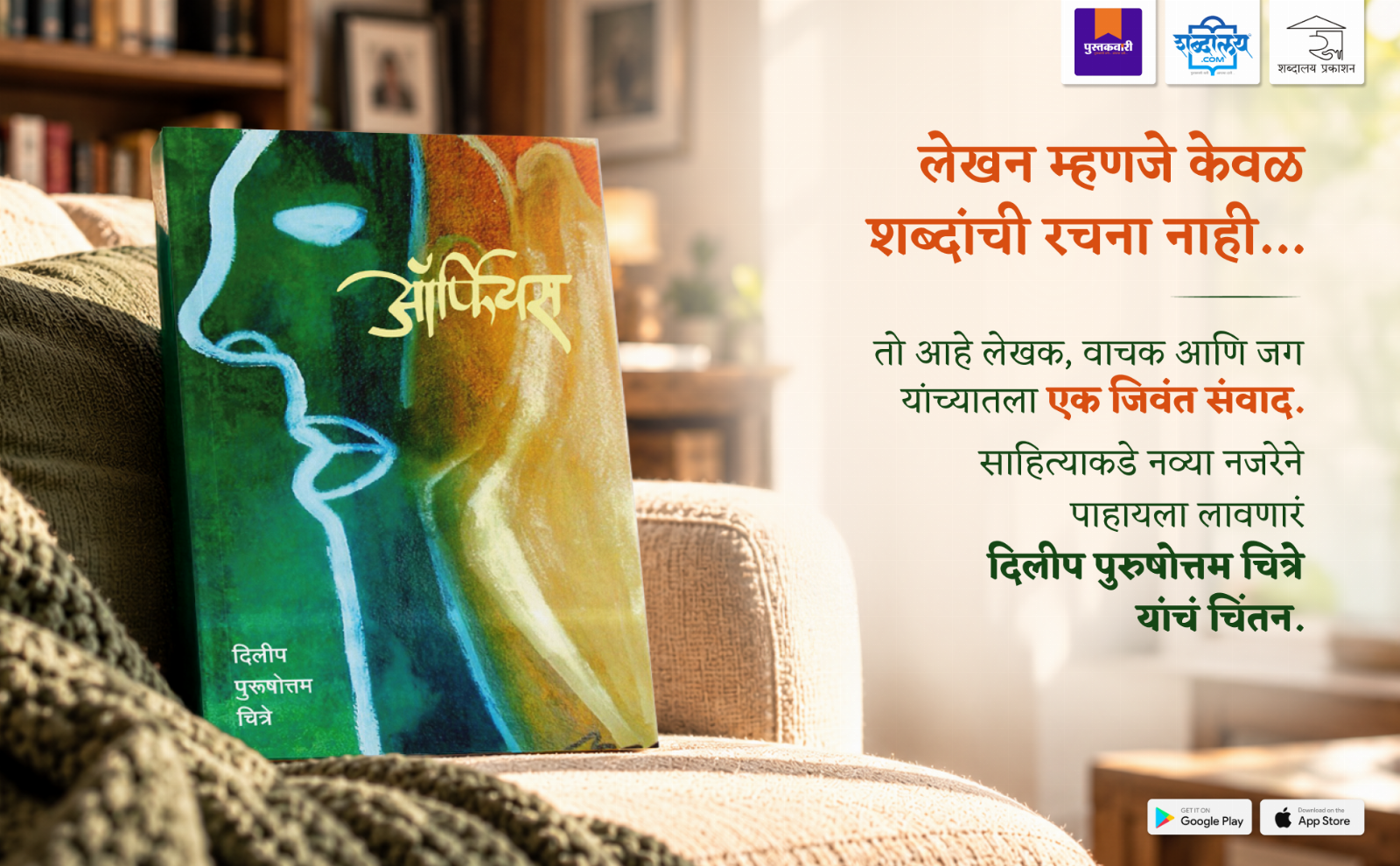
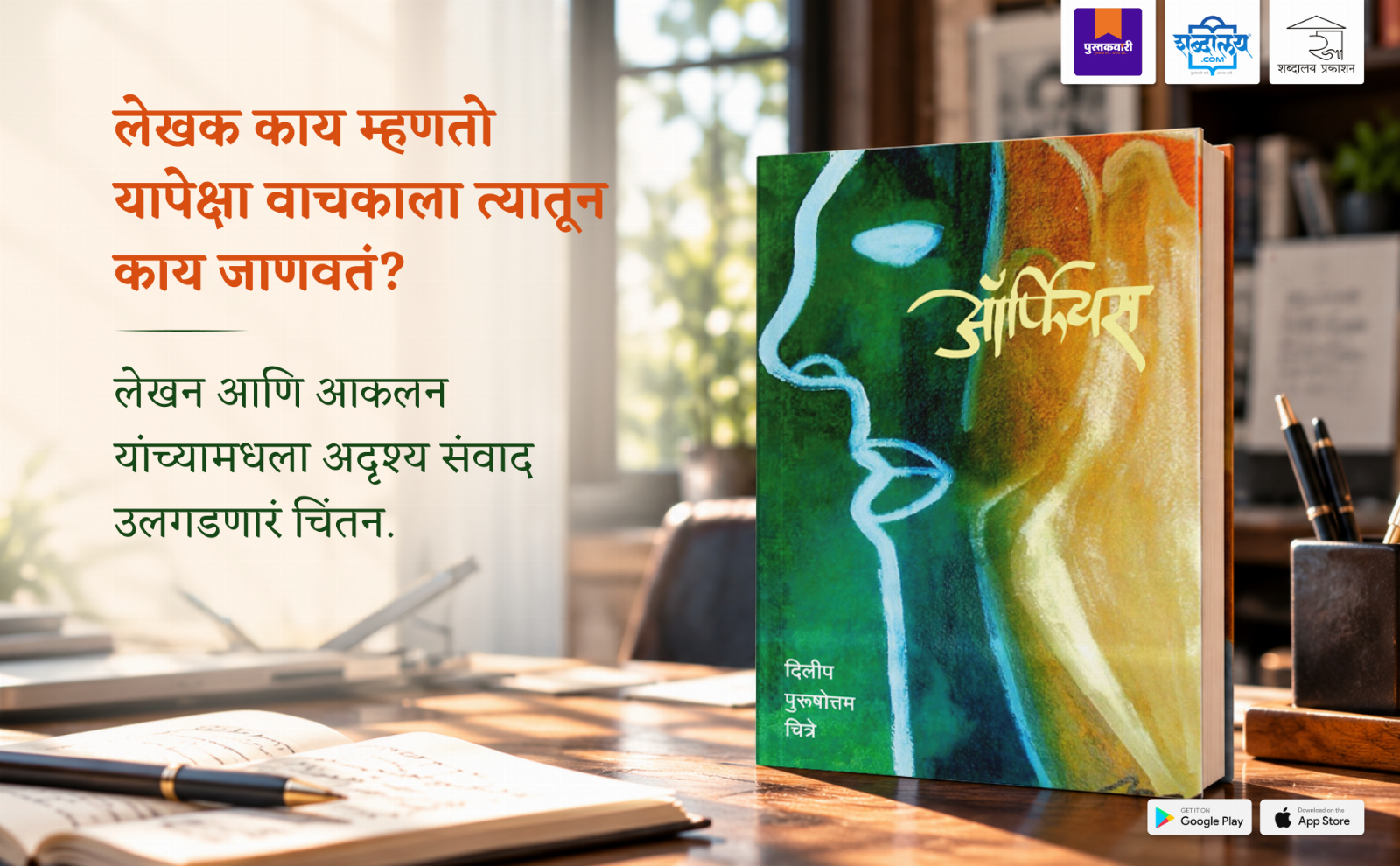
About this book
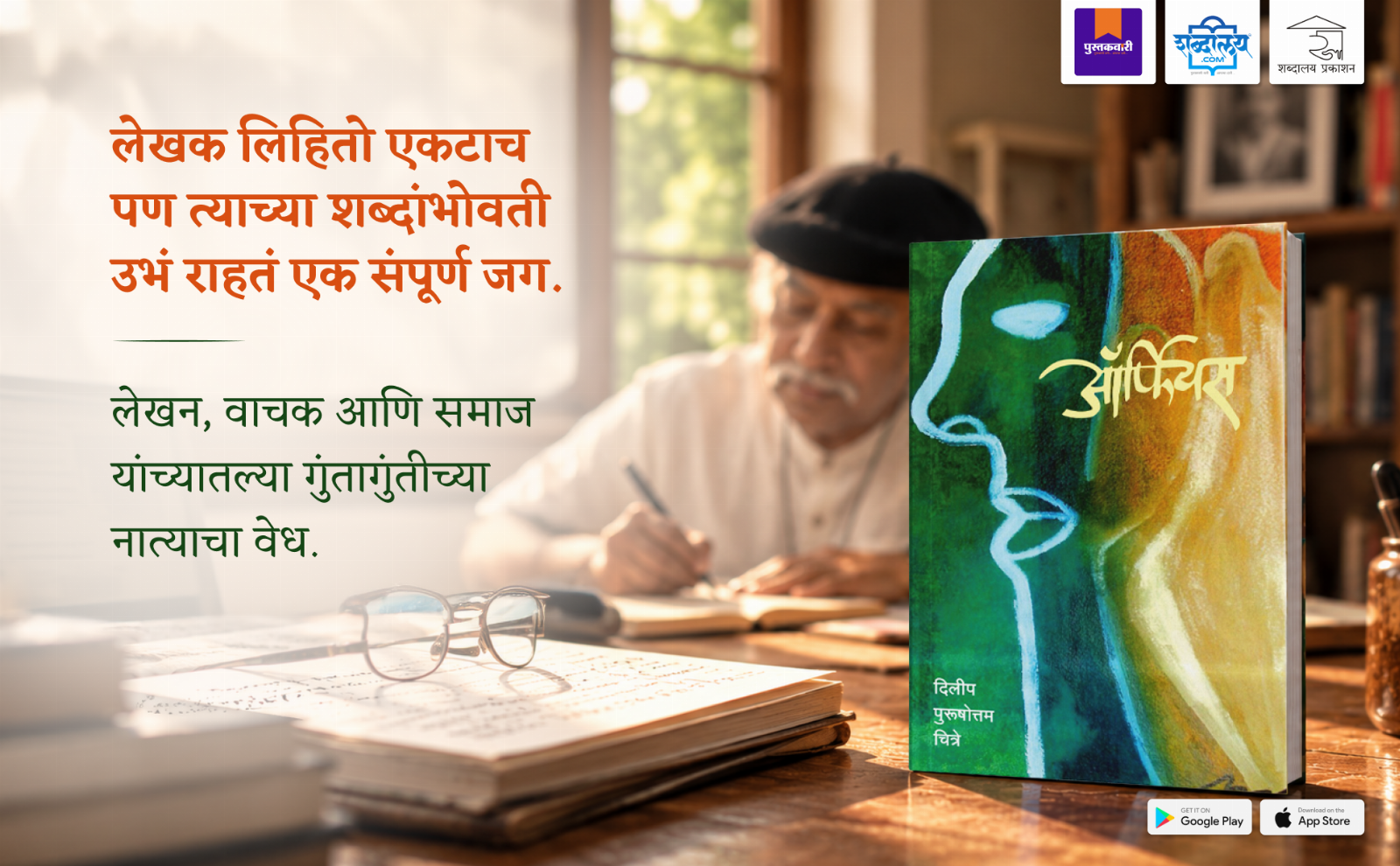
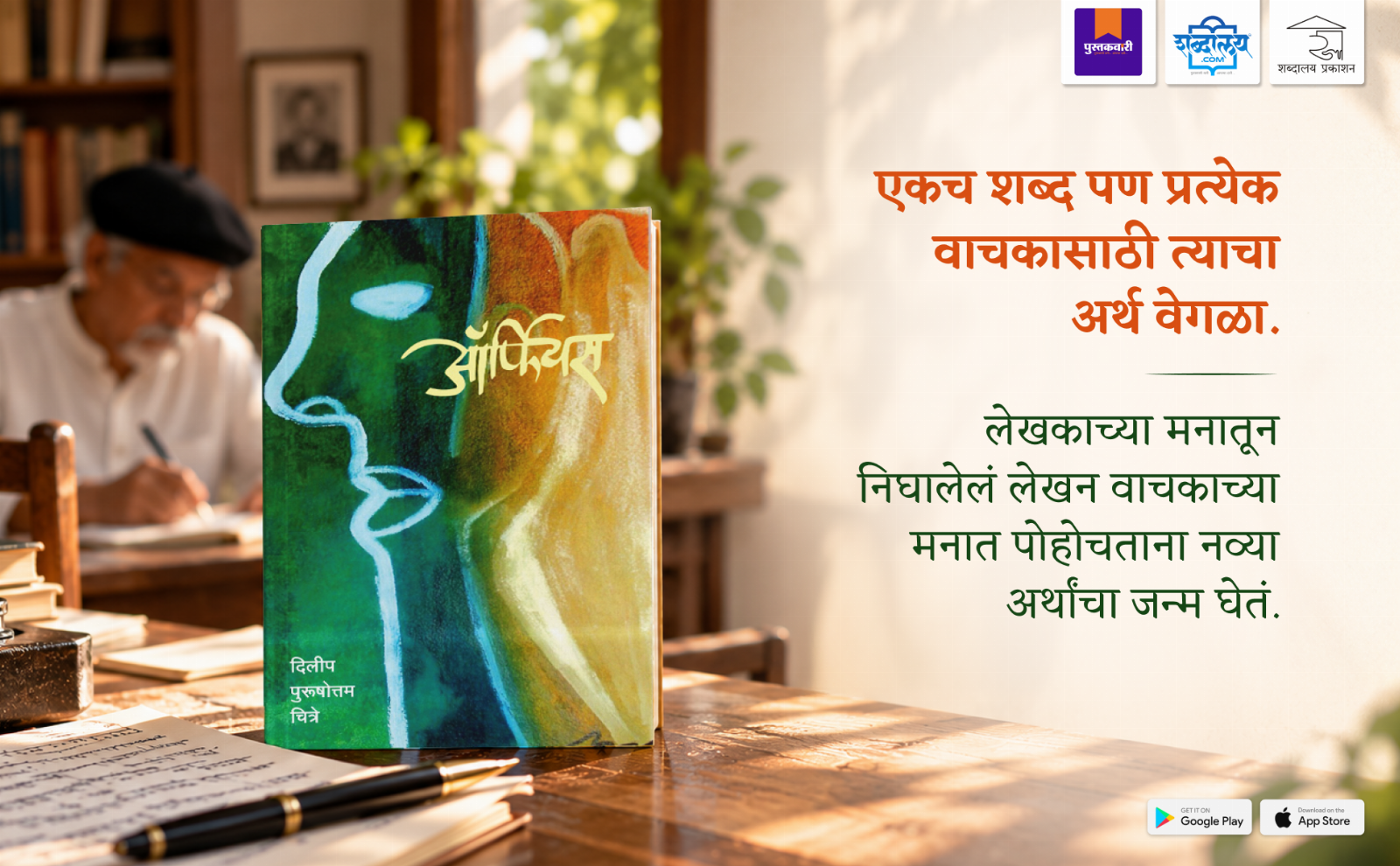
“Through the act of writing, a writer suddenly finds himself surrounded by an entirely new set of circumstances. Readers of various kinds surround him as well, viewing his works—which have acquired an independent existence of their own—with suspicion, fear, malice, admiration, respect, contempt, or even indifference. While writing, I have to break through this surrounding circle and move beyond it. But once the writing is complete, I become aware of that circle once again.
The actions I undertook out of personal joy and self-motivation have their effects on the people around me, and their reactions, in turn, affect me. This is a social process of action and reaction. The mental make-up of many of these people is fundamentally different from my own, and most of them have sensibilities quite unlike mine. It is only through the effective communicative power of a common language that we are able to understand one another. The conventions according to which I write are different from those according to which they read. And yet, both belong to the same lineage.
Not only Marathi writing from seven hundred years ago, but even works written in other languages, reach me—albeit in a corrupted or altered form—according to this very principle. Although human minds are diverse and constantly changing, a certain underlying kinship can be found among them. Likewise, although the material world suggests multiple meanings, these meanings remain attached to the same fundamental substance.
The very principle that enables us to bridge historical and cultural distances also binds together our contemporaries, even when their temperaments and sensibilities are vastly different.”
Book highlights
Read a preview
Drag or click a page edge to turn
Book images
About the author

दिलीप पुरुषोत्तम चित्रे | Dilip Purushottam Chitre
View Full ProfileMore by Dilip Purushottam Chitre


Reviews & ratings
No reviews yet — be the first to share what you thought of this book.
Sign in to write a reviewNothing written here yet.