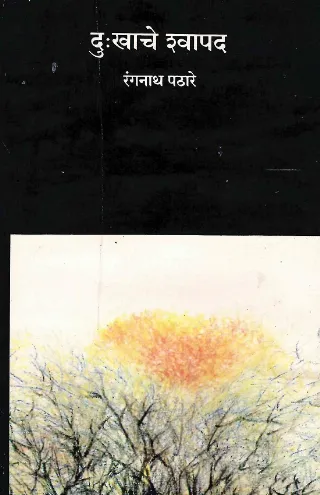
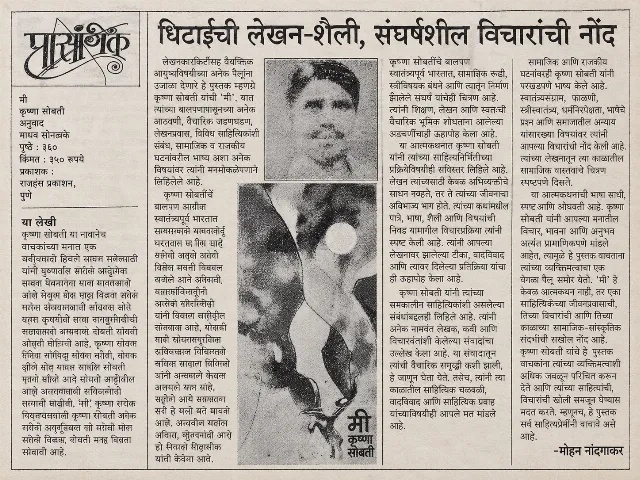
रंगनाथ पठारे लिखित आणि शब्दालय प्रकाशित ‘दुःखाचे श्वापद’ ही कादंबरी ग्रामीण समाजव्यवस्था, शिक्षणक्षेत्र, राजकीय हस्तक्षेप, स्त्रीचे सामाजिक कार्य आणि मानवी मूल्यांच्या ऱ्हासाचा गंभीर वेध घेते. ‘मंथन’मध्ये प्रसिद्ध झालेले हे परीक्षण शब्दालयच्या महत्त्वपूर्ण साहित्यिक प्रकाशनाची नोंद जपते.
Written by Ranganath Pathare and published by Shabdalay, Dukkhache Shwapad examines rural society, education, political interference, women’s social work and the erosion of human values. This review from Manthan documents an important publication in Shabdalay’s literary history.
‘दुःखाचे श्वापद’ ही रंगनाथ पठारे यांची शब्दालय प्रकाशनाने प्रकाशित केलेली मराठी कादंबरी आहे. १९९५ मध्ये प्रकाशित झालेल्या या १९७ पृष्ठांच्या कादंबरीत ग्रामीण समाजव्यवस्था, शिक्षणक्षेत्र, स्थानिक राजकारण, स्त्रीचे सामाजिक योगदान आणि मानवी मूल्यांचा ऱ्हास यांचा गंभीरपणे वेध घेण्यात आला आहे.
कादंबरीच्या केंद्रस्थानी उल्हासबाई ही शिक्षिका आहे. गावातील परित्यक्ता स्त्रिया, बालवाडी, शिक्षण आणि सामाजिक प्रश्नांसाठी ती सक्रियपणे काम करते. ग्रामीण भागातील स्त्रिया आणि वंचित घटकांना मदत करण्याची तिची भूमिका केवळ वैयक्तिक सहानुभूतीपुरती मर्यादित राहत नाही; ती सामाजिक परिवर्तनाशी जोडली जाते.
उल्हासबाईच्या कार्याला मिळणारी लोकप्रियता आणि तिचा प्रभाव स्थानिक राजकारणातील स्वार्थी शक्तींना अस्वस्थ करतो. तिच्या स्पष्टवक्तेपणामुळे, सामाजिक बांधिलकीमुळे आणि अन्यायाला विरोध करण्याच्या भूमिकेमुळे तिला दबाव, अपमान आणि संघर्षांना सामोरे जावे लागते. शिक्षणासारख्या पवित्र क्षेत्रात राजकीय हस्तक्षेप कसा वाढतो आणि कार्यकर्त्यांच्या प्रामाणिक प्रयत्नांचा कसा गैरवापर होतो, हे कादंबरीतून समोर येते.
उल्हासबाईच्या आयुष्यात घडणाऱ्या दुःखद घटनांमधून लेखक सामाजिक आणि राजकीय व्यवस्थेचे हिंस्र स्वरूप उलगडतात. कादंबरीतील ‘श्वापद’ हे केवळ एखाद्या व्यक्तीचे प्रतीक नसून स्वार्थ, भ्रष्टाचार, संवेदनहीनता आणि सत्तेच्या दुरुपयोगातून निर्माण झालेल्या व्यापक व्यवस्थेचे रूपक ठरते.
रंगनाथ पठारे यांच्या लेखनातील सामाजिक वास्तव, स्त्री-पुरुष संबंधांकडे पाहण्याची वेगळी दृष्टी आणि मानवी अस्तित्वातील अस्वस्थ करणाऱ्या प्रश्नांचा शोध या कादंबरीत प्रकर्षाने जाणवतो. व्यक्तिरेखांच्या अंतर्मनासोबतच त्यांच्या सभोवतालची सामाजिक आणि राजकीय परिस्थितीही कथानकाचा महत्त्वाचा भाग बनते.
शब्दालयने प्रकाशित केलेली ‘दुःखाचे श्वापद’ ही कादंबरी दर्जेदार, विचारप्रवर्तक आणि सामाजिकदृष्ट्या संवेदनशील मराठी साहित्य वाचकांपर्यंत पोहोचवण्याच्या प्रकाशन परंपरेचे प्रतिनिधित्व करते. ‘मंथन’मधील हे वृत्तकात्रण शब्दालयच्या Press & Media संग्रहासाठी महत्त्वपूर्ण साहित्यिक दस्तऐवज आहे.
Dukkhache Shwapad is a Marathi novel written by Ranganath Pathare and published by Shabdalay Prakashan. Originally published in 1995, the 197-page novel examines rural society, the education system, local politics, women’s social participation and the gradual erosion of human values.
At the centre of the narrative is Ulhasbai, a teacher who becomes actively involved in addressing social concerns. Her work includes helping abandoned and marginalised women, supporting childcare and educational initiatives and responding to the difficulties experienced by people in rural communities.
Ulhasbai’s growing social influence brings her into conflict with individuals driven by political ambition and personal interest. Her honesty, independent voice and commitment to justice expose her to pressure, humiliation and hostility. Through her experience, the novel examines how political interference enters educational and social institutions.
The tragic developments in Ulhasbai’s life reveal the violent and insensitive character of the surrounding system. The “beast” in the title becomes a metaphor for corruption, selfishness, patriarchal power and the misuse of political authority rather than merely representing a single individual.
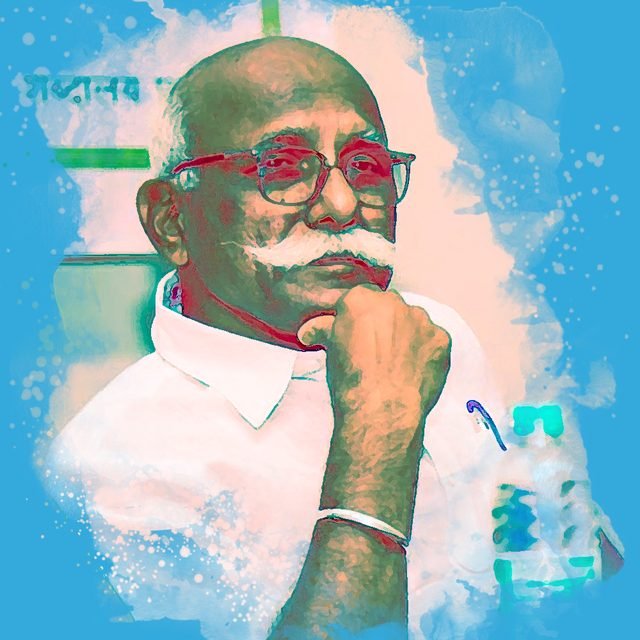
Ranganath Pathare is recognised for his distinctive treatment of social reality, human relationships and morally complex characters. His women characters often possess a strong inner life and an ability to confront the limitations imposed by social traditions.
Published by Shabdalay, Dukkhache Shwapad represents the publication house’s commitment to thoughtful, socially sensitive and significant Marathi literature. This Manthan clipping preserves an important record of the novel’s critical reception and Shabdalay’s continuing literary contribution.