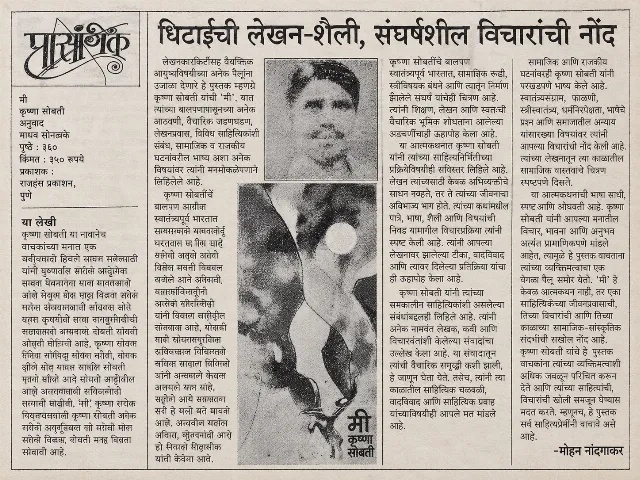
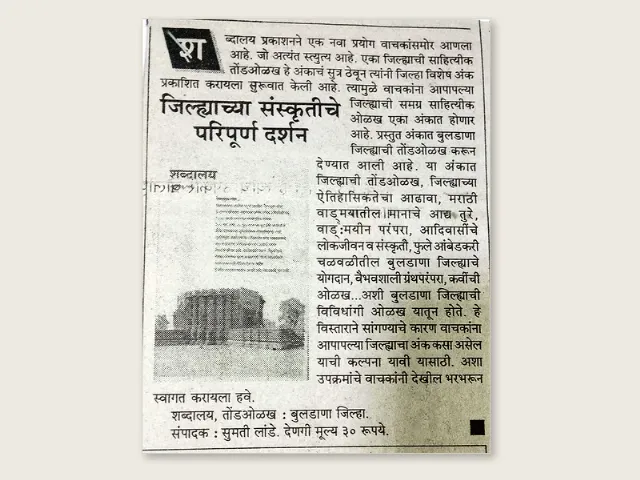
‘साहित्य आणि अस्तित्वभान – भाग २’ या पुस्तकाच्या निमित्ताने साहित्य, मानवी अस्तित्व, नैतिकता, सामाजिक मूल्ये आणि बदलत्या वास्तवाविषयी मांडलेल्या विचारांचा वेध घेणारे हे परीक्षण आहे. साहित्याने केवळ मूल्यांचा आग्रह न धरता वाचकाला प्रश्न विचारायला आणि स्वतःच्या भूमिकांचा पुनर्विचार करायला प्रवृत्त करावे, हा लेखाचा केंद्रबिंदू आहे.
A critical examination of Sahitya Ani Astitvabhan – Part 2, exploring the relationship between literature, human existence, ethics, changing social values and the role of writing in encouraging readers to question established assumptions.
‘नैतिकता असूनही विचारप्रवर्तक ठरणारे लेखन’ या परीक्षणातून साहित्य आणि अस्तित्वभान – भाग २ या पुस्तकातील वैचारिक आशयाचा आढावा घेण्यात आला आहे. साहित्य आणि मानवी जीवन यांच्यातील संबंध, व्यक्तीचे अस्तित्व, नैतिक मूल्यव्यवस्था आणि समाजातील बदल यांच्या संदर्भात पुस्तकातील लेखनाचे महत्त्व अधोरेखित केले आहे.
साहित्यामध्ये नैतिक प्रश्न उपस्थित झाले तरी ते केवळ उपदेशात्मक स्वरूपाचे राहू नयेत; त्यातून विचार, आत्मपरीक्षण आणि संवाद निर्माण व्हावा, अशी भूमिका परीक्षणातून पुढे येते. व्यक्तीच्या वर्तनावर सामाजिक संकेत, संस्कृती, परंपरा आणि वैयक्तिक जाणीवा कशा परिणाम करतात, या प्रश्नांचाही पुस्तकात विचार झाल्याचे लेखातून जाणवते.
मानवी मूल्ये स्थिर नसून बदलत्या काळानुसार त्यांचे अर्थ आणि संदर्भ बदलत राहतात. अशा परिस्थितीत साहित्य वाचकाला तयार उत्तरे देण्याऐवजी योग्य प्रश्न विचारण्याची आणि स्वतःच्या मूल्यधारणांकडे नव्याने पाहण्याची संधी देते.
त्यामुळे हे पुस्तक केवळ साहित्यिक चर्चा न राहता मानवी अस्तित्व, नैतिकता, समाज आणि संस्कृती यांवरील चिंतनशील संवाद ठरते. विचारांना चालना देणारे आणि वाचकाला आत्मपरीक्षणाकडे नेणारे लेखन हे त्याचे महत्त्वाचे वैशिष्ट्य असल्याचे परीक्षणातून स्पष्ट होते.
The article “Writing That Remains Thought-Provoking Despite Its Moral Concerns” examines the ideas presented in Sahitya Ani Astitvabhan – Part 2. The review considers the relationship between literature and human life, particularly questions of existence, morality, culture and changing social values.
A central concern is that literature dealing with morality should not become merely instructional or preachy. Instead, meaningful writing should encourage reflection, questioning and intellectual engagement, allowing readers to reconsider their own assumptions and value systems.
The discussion also touches on the way social conventions, cultural traditions and individual consciousness influence human behaviour. As society changes, ideas of right and wrong, responsibility and personal freedom also acquire new meanings.
From this perspective, literature becomes more than artistic expression. It becomes a space in which readers can examine human existence, social reality and ethical dilemmas from different angles.
Overall, the review presents the book as a reflective and intellectually stimulating work that encourages readers to think beyond fixed moral positions and engage more deeply with the complexities of literature, society and human experience.