About this book
Sharad Babu once said, “Throughout my life, I have witnessed the tears of Bengal.” The stories of those tears are the very stories told through his novels. Imagine witnessing similar tears in a village in Varhad, where even the simple wish for a piece of bread during hunger proves as futile as asking a halya (a traditional bullock) to give milk. The tears of a family living in such circumstances have taken the form of a novel.
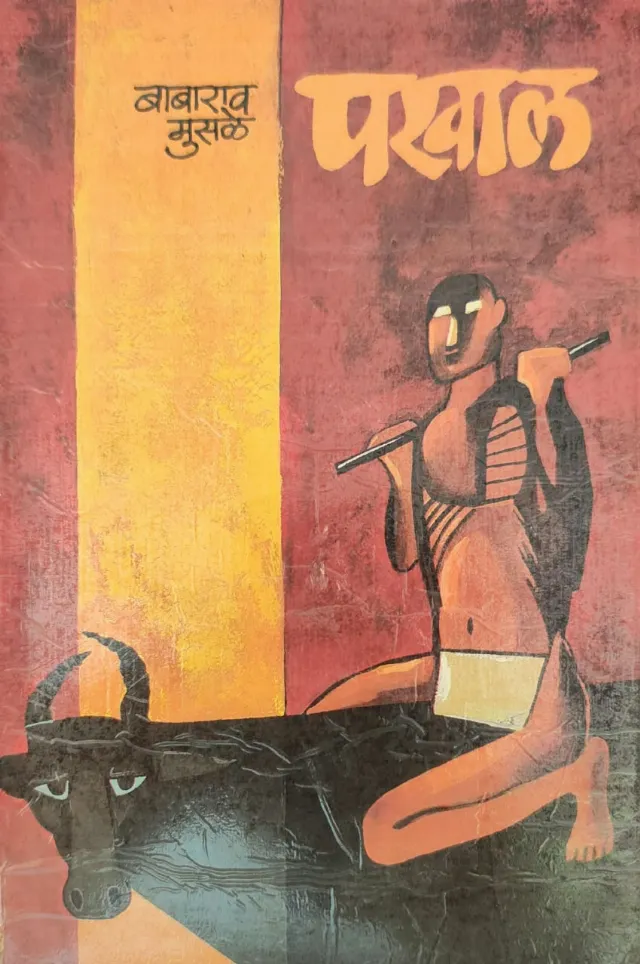
These are the words of appreciation by the renowned writer P. L. Deshpande for Babarao Musale’s Halya Halya Dudhu De, a novel recognised as a unique work of third-generation Marathi literature. Another novel by Musale, Pakhal, lives up to the tradition established by that work.
Pakhal presents a powerful and penetrating portrayal of the misery, poverty, exploitation, ridicule, anguish, suffering, and lack of education endured by the Koli community living in the interior regions of Maharashtra. Traditionally, this community carries water in leather water bags (pakhals) in exchange for its customary share of the harvest, known as baluta. The novel also explores the constraints and hardships created by the advent of new technology and scientific developments. Through Pakhal, the author depicts how these deep-rooted wounds of society gradually surface, drop by drop, revealing the community’s painful reality.
Several stories and novels have portrayed the lives of Koli communities engaged in fishing along the seashore. However, Pakhal may be the only novel to offer a comprehensive portrayal of the lives of Koli people living in Maharashtra’s interior regions. There is little doubt that this novel deserves attention for its distinctive depiction of their struggles and lived experiences.
Book images
About the author
Reviews & ratings
No reviews yet — be the first to share what you thought of this book.
Sign in to write a reviewNothing written here yet.