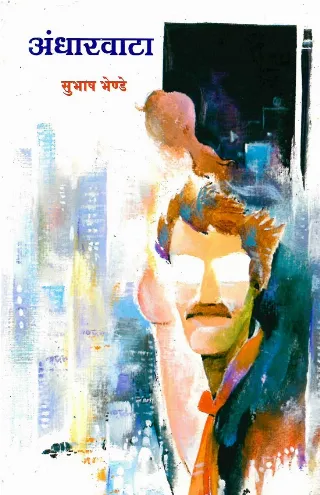
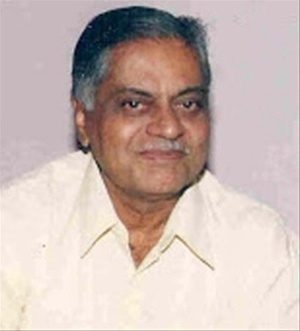
‘अंधारवाटा’ — सुभाष भेंडे यांची महत्त्वपूर्ण कादंबरी मुंबई विद्यापीठ आणि टिळक महाराष्ट्र विद्यापीठ यांच्या अभ्यासक्रमात समावेश‘Andharvata’ by Subhash Bhende Included in University Curriculum
workspace_premium
प्रदानConferred byमुंबई विद्यापीठ आणि टिळक महाराष्ट्र विद्यापीठUniversity of Mumbai and Tilak Maharashtra Vidyapeeth
सुभाष भेंडे यांची शहरी वास्तव आणि बदलत्या मूल्यांचे चित्रण करणारी ‘अंधारवाटा’ मुंबई विद्यापीठ आणि टिळक महाराष्ट्र विद्यापीठाच्या अभ्यासक्रमांत.
Subhash Bhende’s ‘Andharvata’, a novel of urban life and changing values, is on the syllabi of the University of Mumbai and Tilak Maharashtra Vidyapeeth.
प्रख्यात मराठी साहित्यिक सुभाष भेंडे यांची ‘अंधारवाटा’ ही सामाजिक वास्तवाचे प्रभावी चित्रण करणारी महत्त्वपूर्ण मराठी कादंबरी आहे. आधुनिक शहरी जीवन, मध्यमवर्गीय मानसिकता, बदलती मूल्यव्यवस्था, भ्रष्टाचार आणि उच्चभ्रू जीवनशैलीच्या आड दडलेले नैतिक अधःपतन यांचा तीक्ष्ण वेध घेणाऱ्या या कादंबरीचा मुंबई विद्यापीठ आणि टिळक महाराष्ट्र विद्यापीठ यांच्या अभ्यासक्रमात समावेश होणे ही तिच्या साहित्यिक आणि शैक्षणिक महत्त्वाची विशेष नोंद आहे.
‘अंधारवाटा’ या कादंबरीच्या केंद्रस्थानी ‘जयू’ ही मध्यमवर्गीय स्त्री आहे. तिच्या माध्यमातून सुभाष भेंडे यांनी एका विशिष्ट शहरी उपसंस्कृतीचे प्रभावी चित्र उभे केले आहे. क्लब संस्कृती, डिनर पार्ट्या, मद्यपान, उच्च राहणीमानाची स्पर्धा, अमर्याद भौतिक गरजा आणि व्यक्तिमत्त्वाला आतून पोखरणाऱ्या व्यवहारांचे वास्तववादी दर्शन या कादंबरीत घडते.
कादंबरीत आधुनिकतेच्या नावाखाली वाढणारी कृत्रिम जीवनशैली आणि तिचा पारंपरिक सामाजिक मूल्यांशी होणारा संघर्ष प्रकर्षाने जाणवतो. उच्च सामाजिक स्थान मिळवण्याची धडपड, आर्थिक आणि प्रशासकीय भ्रष्टाचार, लाचलुचपत, पद आणि प्रतिष्ठेची लालसा, नातेसंबंधांतील अस्थिरता तसेच उपभोगवादी मानसिकतेमुळे बदलणारे व्यक्तिजीवन यांचे सुभाष भेंडे यांनी सूक्ष्म निरीक्षणातून चित्रण केले आहे.
अंधारवाटा कादंबरीचे वैशिष्ट्य म्हणजे विस्तृत सामाजिक वास्तव कमी शब्दांत, प्रभावी प्रसंग, संवाद आणि पात्रांच्या माध्यमातून उभे करण्याची लेखकाची ताकद. चाळीतील सामान्य जीवनापासून गाडी-बंगल्यांच्या उच्चभ्रू जगापर्यंत होणारा प्रवास हा केवळ आर्थिक बदल म्हणून न येता त्यासोबत बदलणाऱ्या मानसिकता, नाती आणि नैतिक मूल्यांचा आलेख म्हणून समोर येतो.
कादंबरीमध्ये भ्रष्टाचार, लैंगिकता आणि उपभोगवादाचे अंतःप्रवाह असले, तरी तिचा आशय केवळ त्यांचे चित्रण करण्यापुरता मर्यादित राहत नाही. त्यामागे एक ठाम सामाजिक आणि नैतिक जाणीव आहे. मध्यमवर्गीय वास्तवाचे प्रत्यक्ष आणि अप्रत्यक्ष रूप उलगडताना लेखक आधुनिक समाजातील विसंगती, मूल्यसंघर्ष आणि व्यक्तीच्या मानसिक अधःपतनावर भाष्य करतो.
यामुळे सुभाष भेंडे यांची ‘अंधारवाटा’ आधुनिक मराठी कादंबरीतील सामाजिक वास्तववादाचा महत्त्वपूर्ण दस्तऐवज म्हणून अभ्यासली जाते. शहरीकरण, मध्यमवर्गीय संस्कृती, भ्रष्टाचार, उपभोगवाद आणि बदलत्या सामाजिक मूल्यांचा साहित्यिक अभ्यास करणाऱ्या विद्यार्थ्यांसाठी ही कादंबरी विशेष महत्त्वाची ठरते.
मुंबई विद्यापीठ आणि टिळक महाराष्ट्र विद्यापीठाच्या अभ्यासक्रमात ‘अंधारवाटा’चा समावेश होणे म्हणजे या साहित्यकृतीच्या सामाजिक आशयाची, कथनतंत्राची आणि मराठी कादंबरीच्या विकासातील योगदानाची शैक्षणिक पातळीवर घेतलेली दखल आहे.
शब्दालय प्रकाशनासाठीही ही अभिमानाची नोंद आहे. दर्जेदार आणि सामाजिक जाणिवांनी समृद्ध मराठी साहित्य विद्यार्थ्यांपर्यंत, अभ्यासकांपर्यंत आणि नव्या पिढीतील वाचकांपर्यंत पोहोचवण्याच्या प्रयत्नांना या शैक्षणिक मान्यतेमुळे अधिक बळ मिळते.
‘Andharvata’ by renowned Marathi author Subhash Bhende is an important work of modern Marathi literature that offers a powerful exploration of urban society, middle-class aspirations, corruption, consumerism and changing moral values. Its inclusion in the curriculum of the University of Mumbai and Tilak Maharashtra Vidyapeeth represents significant academic recognition of the novel’s literary and social relevance.
At the centre of Andharvata is Jayu, a middle-class woman whose experiences allow the author to examine an emerging urban subculture shaped by wealth, status and modern consumerism. Through her world, the novel portrays club culture, dinner parties, alcohol consumption, extravagant lifestyles, increasing material desires and social behaviour that gradually affects individual identity and personal values.
One of the major strengths of Subhash Bhende’s Andharvata is its realistic depiction of the conflict between traditional social values and a rapidly changing urban lifestyle. The desire for higher social status, professional influence and material comfort becomes closely connected with corruption, bribery, social networking and changing interpersonal relationships.
The novel presents a broad spectrum of urban life, ranging from modest middle-class surroundings to a world of cars, luxurious homes and social prestige. However, this transition is not presented merely as economic advancement. Subhash Bhende also examines the psychological and moral changes that accompany this transformation.
Through carefully constructed characters, incidents and dialogues, Andharvata portrays corruption, materialism, social ambition, changing relationships and the moral complexities of modern urban society. Despite dealing with themes of corruption and sexuality, the novel maintains a strong social consciousness and raises important questions about ethics, identity and human values.
The novel is also noteworthy for its narrative technique. Bhende manages to bring together a wide range of social experiences and details without losing the pace of the story. This combination of social observation and effective storytelling makes Andharvata an important contribution to the development of the modern Marathi novel.
For students of Marathi literature, urban studies, social realism and modern Indian literature, the novel provides valuable insight into middle-class life and the cultural transformations associated with urbanisation and consumerism.
The inclusion of Andharvata in the University of Mumbai and Tilak Maharashtra Vidyapeeth curriculum highlights the academic importance of the novel and recognises Subhash Bhende’s contribution to Marathi literature. It offers students an opportunity to explore how literature reflects changing social structures, moral conflicts and the realities of contemporary urban life.
For Shabdalaya Publication, this academic recognition is a proud milestone and reinforces its commitment to bringing significant Marathi literary works to students, scholars and readers across generations.