भाकरी आणि फूल’ — मधु मंगेश कर्णिक यांची समर्थ कादंबरी विद्यापीठाच्या अभ्यासक्रमात समाविष्ट‘Bhakari Aani Phool’ by Madhu Mangesh Karnik Included in University Curriculum
मधु मंगेश कर्णिक यांची सामाजिक परिवर्तन आणि आंबेडकरी विचारांची कादंबरी ‘भाकरी आणि फूल’ विद्यापीठाच्या अभ्यासक्रमात समाविष्ट.
Madhu Mangesh Karnik’s novel of social change and Ambedkarite thought, ‘Bhakari Aani Phool’, has been placed on a university syllabus.
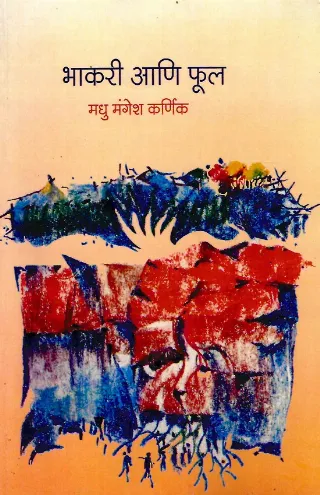
प्रख्यात मराठी साहित्यिक मधु मंगेश कर्णिक यांच्या ‘भाकरी आणि फूल’ या महत्त्वपूर्ण कादंबरीचा विद्यापीठाच्या अभ्यासक्रमात समावेश होणे ही मराठी साहित्यविश्वासाठी गौरवाची बाब आहे. सामाजिक वास्तव, मानवी संघर्ष, परिवर्तनाची प्रक्रिया आणि डॉ. बाबासाहेब आंबेडकर यांच्या विचारांचा समाजमनावर झालेला प्रभाव यांचे प्रभावी चित्रण करणारी ही कादंबरी समकालीन मराठी साहित्याच्या अभ्यासात विशेष महत्त्वाची ठरते.
‘भाकरी आणि फूल’ या कादंबरीत एका अस्पृश्य कुटुंबाच्या बदलत्या जीवनप्रवासाचा संवेदनशील आणि वास्तवदर्शी आलेख उभा राहतो. सामाजिक विषमता, जातीय वास्तव, परंपरा आणि परिवर्तन यांच्यातील संघर्ष, शिक्षणाची आकांक्षा, स्वाभिमानाची जाणीव आणि नव्या विचारांनी घडणारे व्यक्तिमत्त्व यांचा कादंबरीत सखोल वेध घेतला आहे.
कादंबरीतील गोपाळ हे पात्र डॉ. बाबासाहेब आंबेडकर यांच्या विचारांनी प्रभावित झालेले आहे. सामाजिक अन्याय आणि परिस्थितीशी झुंज देताना त्याच्या मनातील अस्वस्थता, विद्रोह आणि बदलाची आकांक्षा तीव्रतेने व्यक्त होते. त्याचबरोबर आनंद या पात्रामध्ये विद्रोही वृत्ती आणि नव्या सामाजिक जाणिवांचा प्रभाव दिसून येतो. परंपरा पूर्णपणे झुगारून देता न येणारा गोपाळचा वडील, जीवनाकडून काही अपेक्षा बाळगणारा पांडुरंग आणि गोपाळची पत्नी यांसारख्या पात्रांमुळे कादंबरीतील सामाजिक जग अधिक जिवंत आणि वास्तवपूर्ण बनते.
या कादंबरीचे विशेष वैशिष्ट्य म्हणजे समाजजीवनातील सूक्ष्म तपशील टिपण्याची लेखकाची ताकद. महार समाजाच्या घरगुती जीवनातील बारकावे, वर्तनपद्धती, सामाजिक परिस्थिती, परंपरा, बदलते विचार आणि नात्यांतील गुंतागुंत यांचे मधु मंगेश कर्णिक यांनी प्रभावीपणे चित्रण केले आहे. त्यामुळे ‘भाकरी आणि फूल’ ही केवळ एका कुटुंबाची कथा राहत नाही, तर सामाजिक परिवर्तनाच्या एका मोठ्या प्रक्रियेचे साहित्यिक दस्तऐवजीकरण ठरते.
ज्येष्ठ साहित्यिक आणि विचारवंत गंगाधर पानतावणे यांनी या कादंबरीचे कौतुक करताना तिच्यातील पात्रनिर्मिती, सामाजिक वास्तवाचे निरीक्षण आणि अस्पृश्य समाजातील परिवर्तनाचे चित्रण विशेषत्वाने अधोरेखित केले आहे. त्यांच्या मते ‘भाकरी आणि फूल’ ही एक समर्थ कादंबरी आहे.
‘भाकरी आणि फूल’चा विद्यापीठाच्या अभ्यासक्रमात समावेश होणे म्हणजे या कादंबरीच्या साहित्यिक आणि सामाजिक मूल्याची शैक्षणिक पातळीवर घेतलेली दखल होय. मराठी साहित्य, दलित साहित्य, सामाजिक वास्तववादी लेखन, आंबेडकरी विचार आणि विसाव्या शतकातील सामाजिक परिवर्तन यांचा अभ्यास करणाऱ्या विद्यार्थ्यांसाठी ही कादंबरी महत्त्वपूर्ण संदर्भ ठरते.
विद्यार्थ्यांना या साहित्यकृतीच्या माध्यमातून मराठी कादंबरीतील सामाजिक वास्तववाद, जातिव्यवस्थेचे चित्रण, आंबेडकरी विचारांचा प्रभाव, बदलत्या सामाजिक मूल्यव्यवस्था आणि मानवी स्वाभिमानाचा संघर्ष यांचा सखोल अभ्यास करता येतो.
शब्दालय प्रकाशनासाठी ही मान्यता अभिमानाची बाब आहे. महत्त्वपूर्ण मराठी साहित्य वाचक, विद्यार्थी आणि अभ्यासकांपर्यंत पोहोचवण्याच्या प्रवासात ‘भाकरी आणि फूल’सारख्या समर्थ कादंबरीला मिळालेली शैक्षणिक मान्यता विशेष महत्त्वाची ठरते.
साहित्यकृती: भाकरी आणि फूल
लेखक: मधु मंगेश कर्णिक
मान्यता: विद्यापीठाच्या अभ्यासक्रमात समाविष्ट
साहित्यप्रकार: सामाजिक वास्तववादी मराठी कादंबरी
प्रमुख विषय: सामाजिक परिवर्तन, जातीय वास्तव, आंबेडकरी विचार, स्वाभिमान, परंपरा आणि विद्रोह
विशेष नोंद: गंगाधर पानतावणे यांनी गौरवलेली समर्थ कादंबरी
‘Bhakari Aani Phool’ by Madhu Mangesh Karnik Included in University Curriculum
The inclusion of ‘Bhakari Aani Phool’ by renowned Marathi writer Madhu Mangesh Karnik in a university curriculum marks an important academic recognition of a significant work in Marathi literature. Known for its powerful portrayal of social change, caste realities, human dignity and the influence of Dr. B. R. Ambedkar’s ideas, the novel holds an important place in the study of modern and socially engaged Marathi literature.
Bhakari Aani Phool presents the transformation of a socially marginalized family over a period of changing social and ideological conditions. Through its characters, the novel explores the tension between tradition and change, social discrimination, aspirations for a better life, self-respect and the emergence of a new social consciousness.
One of the central characters, Gopal, is deeply influenced by the thoughts and philosophy of Dr. Babasaheb Ambedkar. His struggle against social injustice, his frustration with oppressive circumstances and his desire for change create a powerful emotional and ideological dimension within the novel. At times, his anger develops into open rebellion against deeply rooted social and religious structures.
The character of Anand represents another strong expression of resistance and social awakening. Alongside them, characters such as Gopal’s father, who remains emotionally tied to traditional practices, Pandurang, who carries expectations from life, and Gopal’s wife add further depth to the social world depicted in the novel.
A major strength of Madhu Mangesh Karnik’s writing lies in his close observation of everyday life. The novel captures important details of family relationships, community behaviour, social customs, economic realities and changing attitudes. These elements give the work a strong sense of authenticity and make Bhakari Aani Phool an important example of social realism in Marathi literature.
The novel has also received appreciation from noted Marathi literary thinker Gangadhar Pantawane, who highlighted its vivid characters, sensitive representation of marginalized society and detailed depiction of social transformation. He regarded Bhakari Aani Phool as a powerful and accomplished novel.
The inclusion of Bhakari Aani Phool in a university syllabus reflects the literary, social and academic significance of the work. For students of Marathi literature, Dalit literature, social history and Ambedkarite thought, the novel provides valuable material for understanding the relationship between literature and social transformation.
Through the novel, students can examine themes including caste discrimination, Ambedkarite ideology, social mobility, identity, rebellion, tradition, dignity and generational change. It also offers an important perspective on how Marathi fiction has represented marginalized communities and changing social realities.
For Shabdalaya Publication, this academic recognition is a proud milestone. It highlights the continued relevance of meaningful Marathi literature and strengthens the effort to bring important literary works to students, readers, scholars and future generations.