About this book
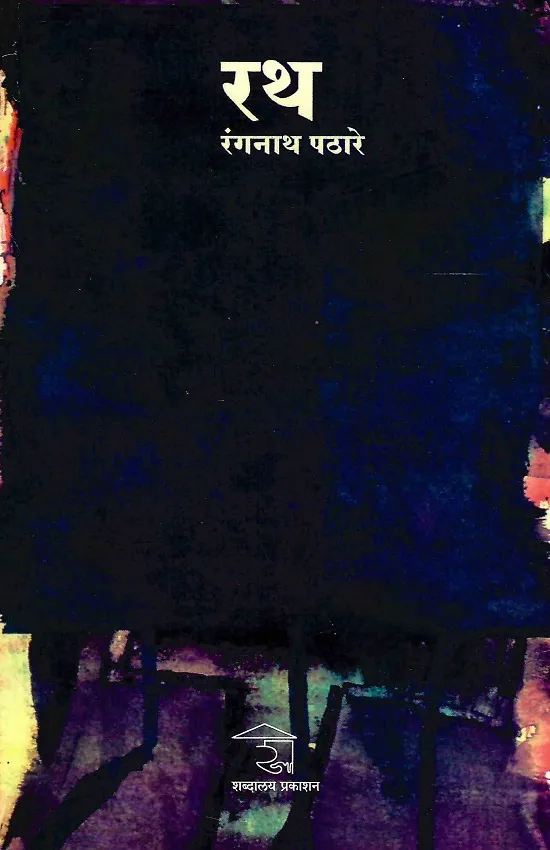
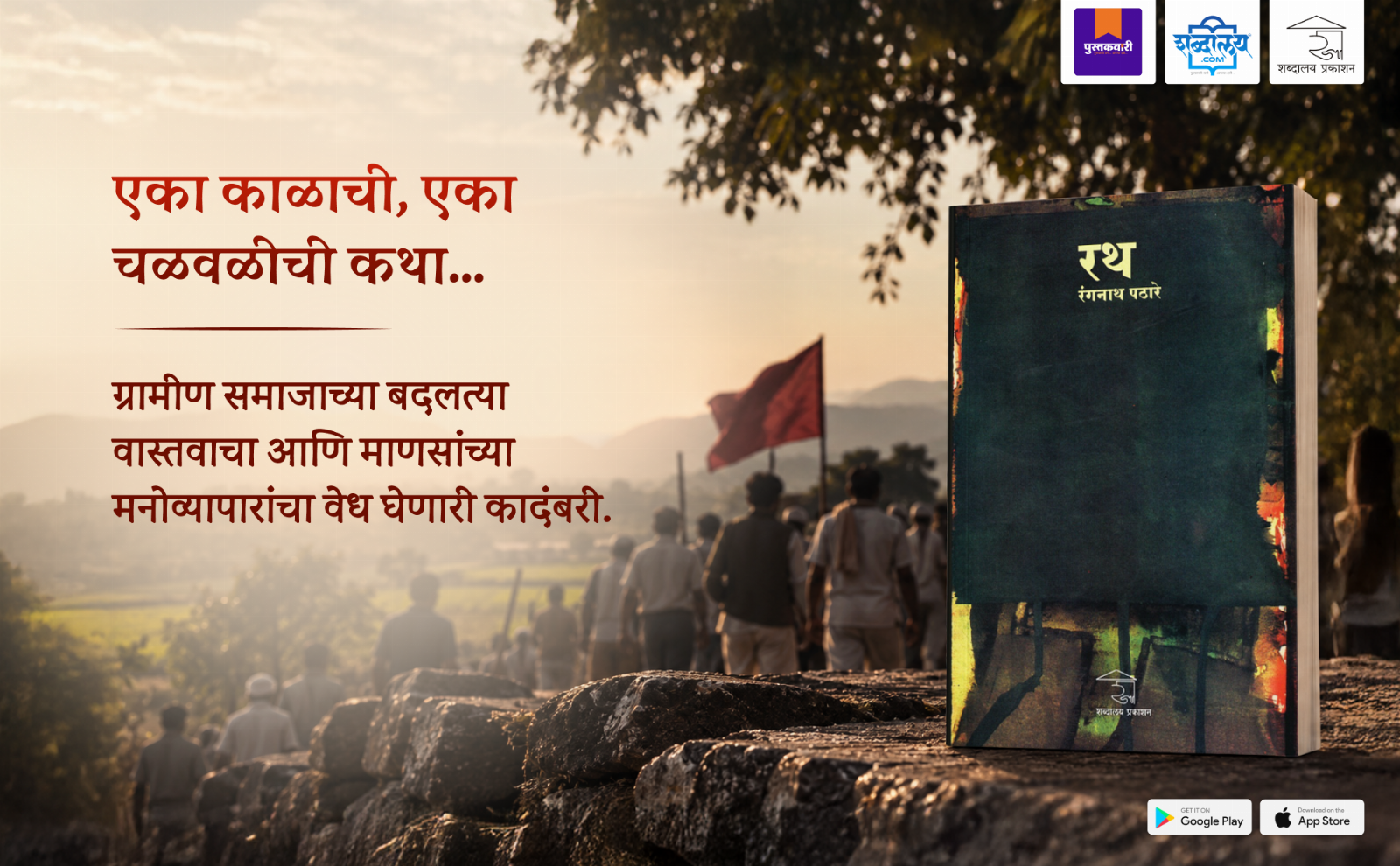
First published in 1984, this novel is rooted in the background of literary movements, particularly the rural literary movement. It naturally offers a perceptive portrayal and analysis of the leaders and activists operating at various levels of this movement, their psychological processes, their ideological positions, and their ways of life.
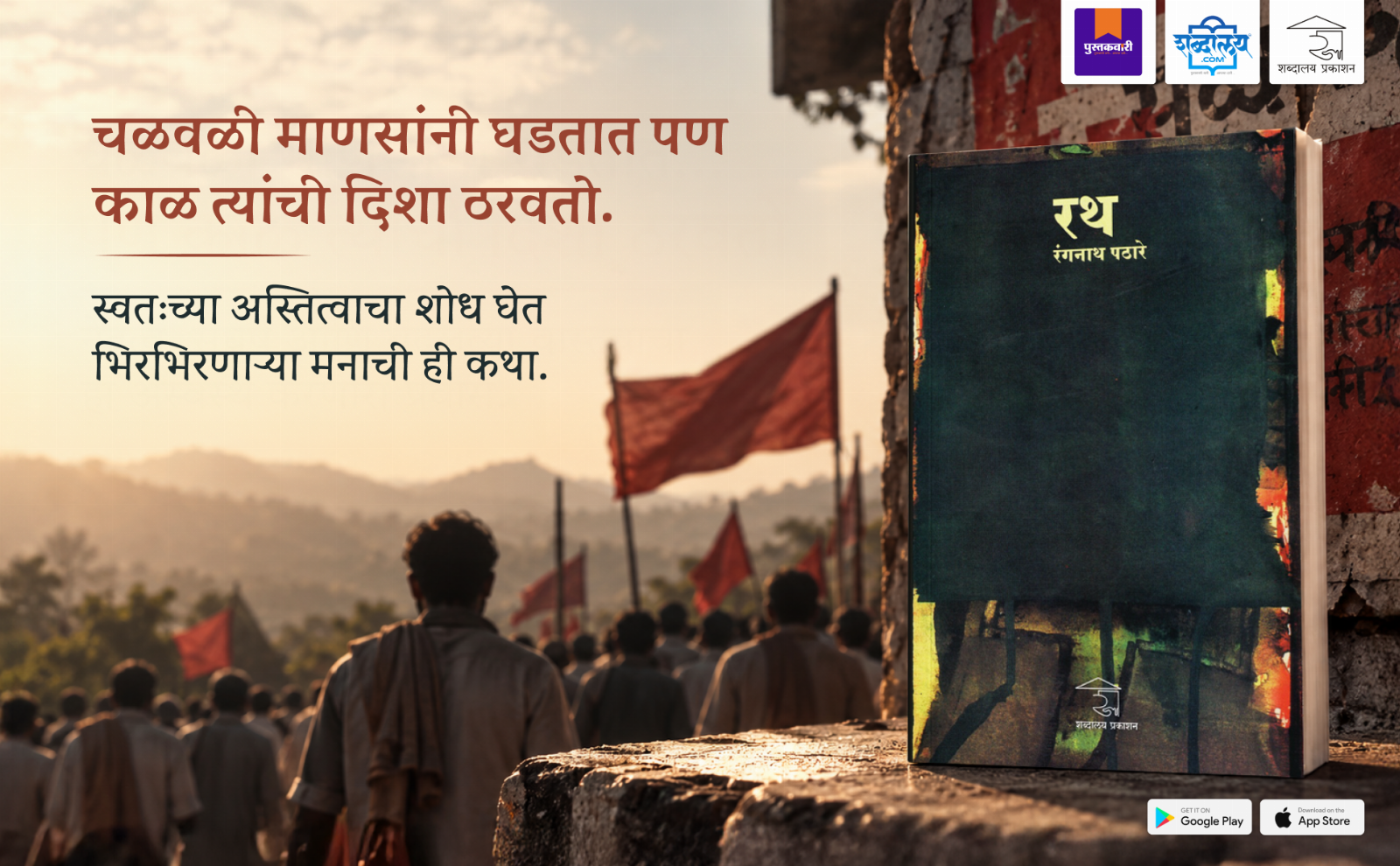
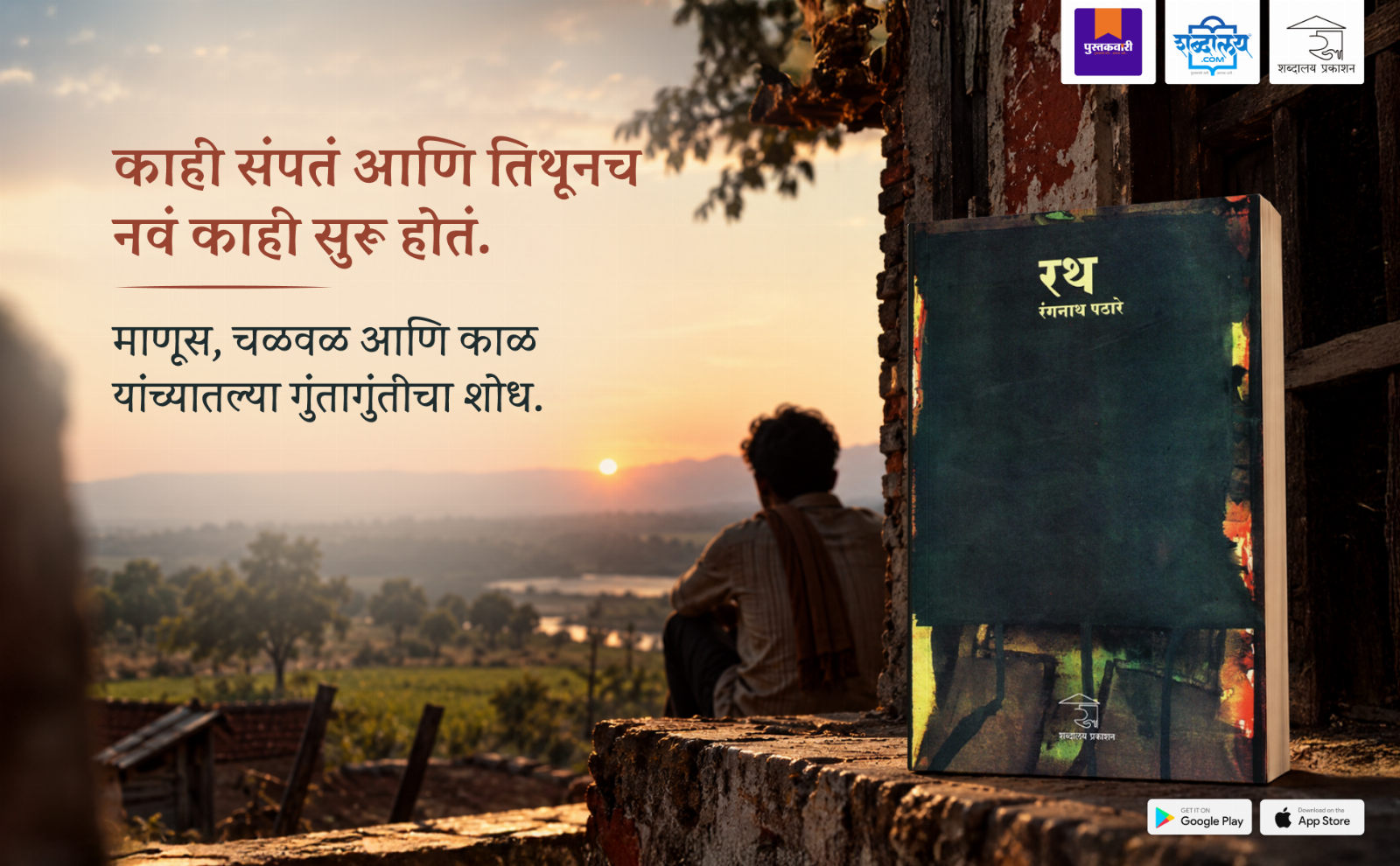
Movements emerge as inevitable responses to the needs of their respective times. Individuals are merely the instruments through which these movements take shape. Had certain individuals not been present, someone else would undoubtedly have taken their place. This is indeed true. However, the availability of suitable individuals to choose from is also constrained by the limitations of each period. These limitations influence the momentum of a movement and its future. This, too, is inevitable.
Whenever something comes to an end or comes to a halt, something new invariably begins. In a sense, human beings can neither initiate everything nor bring everything to a stop. The illusions of agency associated with both kinds of action can be dispelled only through the light of experiential knowledge and understanding.
This novel illuminates several pathways that lead towards such a broad and profound understanding.
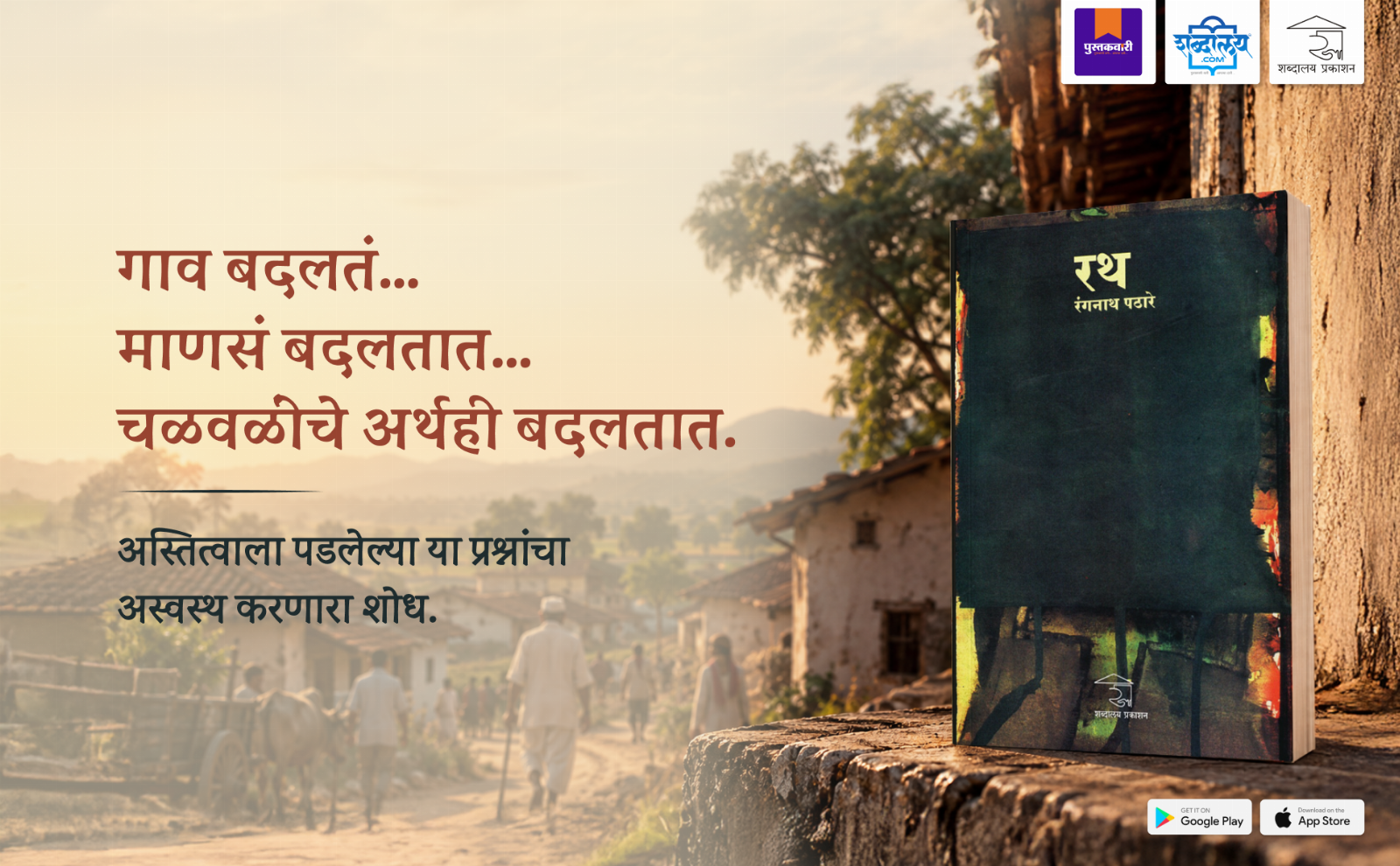
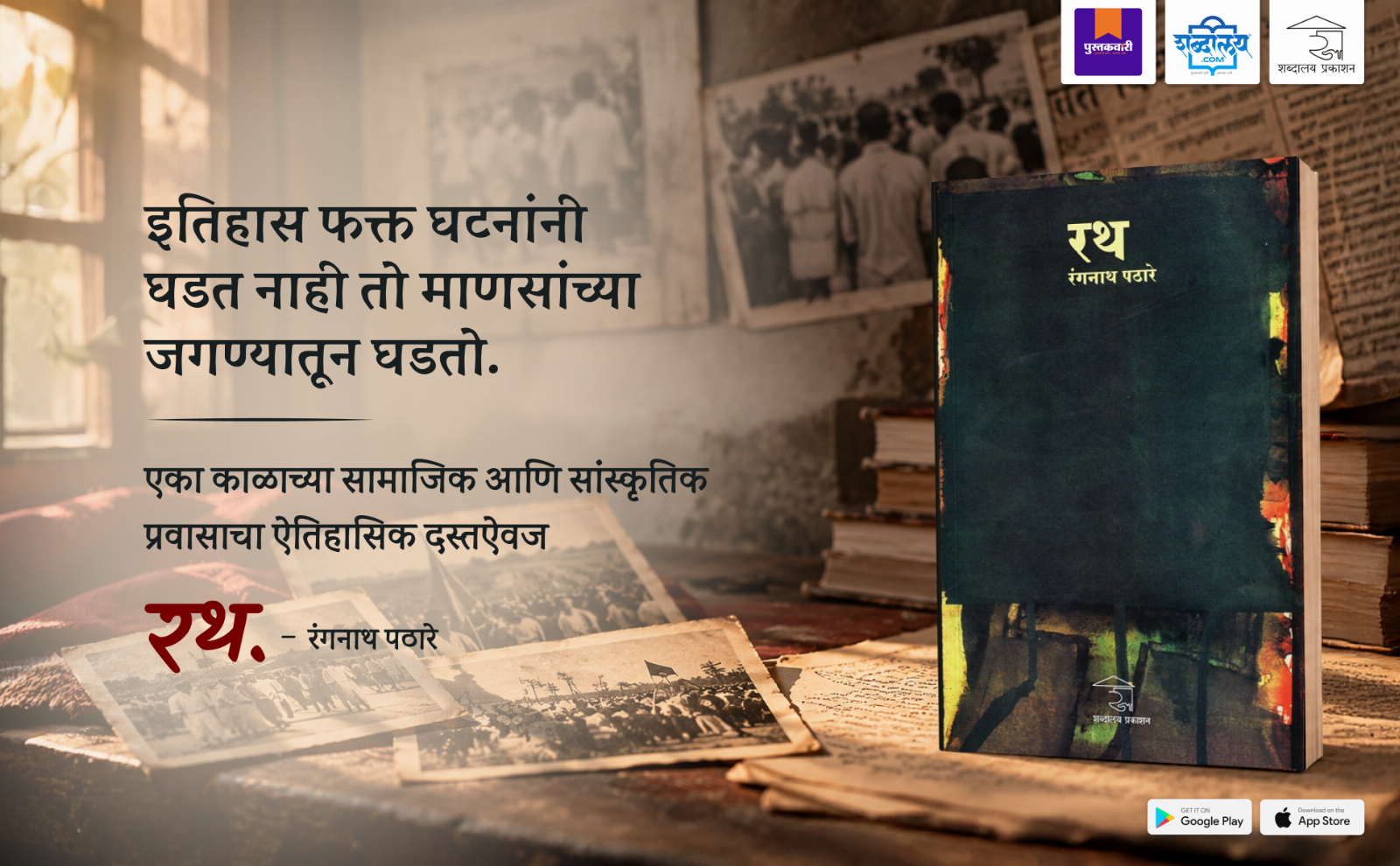
The novel can also be regarded as a historical document recording the transformations in rural Marathi society in the post-independence era, the social and cultural environment shaped by concern for this society, and its cultural aspirations.
Book highlights
Read a preview
Drag or click a page edge to turn
About the author
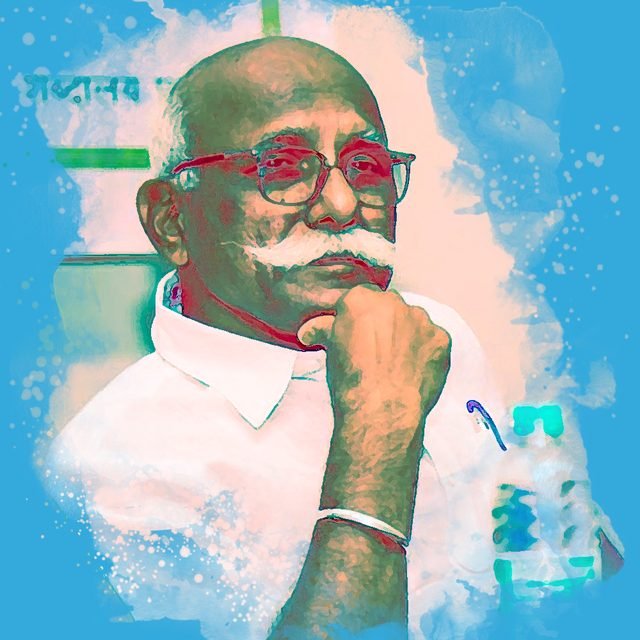
रंगनाथ पठारे | Rangnath Pathare
View Full ProfileMore by Rangnath Pathare




Reviews & ratings
No reviews yet — be the first to share what you thought of this book.
Sign in to write a reviewNothing written here yet.