कोसला’ ते ‘कळप’ : राजन गवस यांच्या साहित्यावरील सतीश काळसेकरांचा चिकित्सक लेखFrom Kosala to Kalap: Satish Kalsekar’s Critical Perspective on Rajan Gavas’s Literature
लेखक सतीश काळसेकर यांनी ‘कोसला’ आणि राजन गवस यांच्या ‘कळप’ या कादंबऱ्यांच्या संदर्भातून ग्रामीण वास्तव, सामाजिक संघर्ष, मानवी नातेसंबंध आणि मराठी कादंबरीच्या बदलत्या साहित्यप्रवाहाचा घेतलेला चिकित्सक वेध—शब्दालयच्या News & Media संग्रहातील एक महत्त्वपूर्ण साहित्यिक दस्तऐवज.
A significant Marathi newspaper article by Satish Kalsekar examining Kosala, Rajan Gavas’s Kalap, rural realities, social conflict and the evolving tradition of the Marathi novel—preserved in Shabdalay’s News & Media archive.
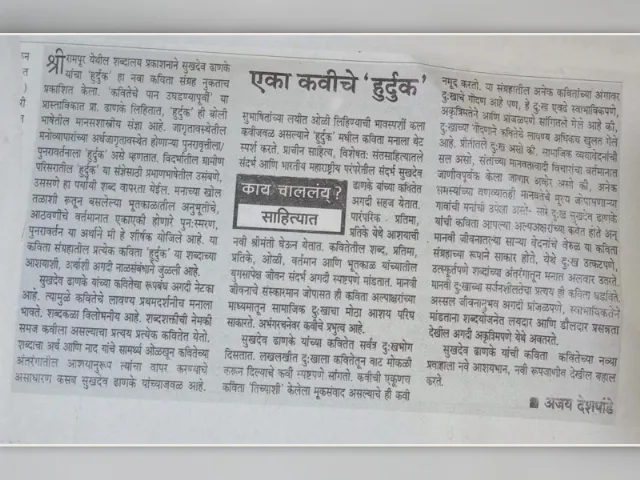
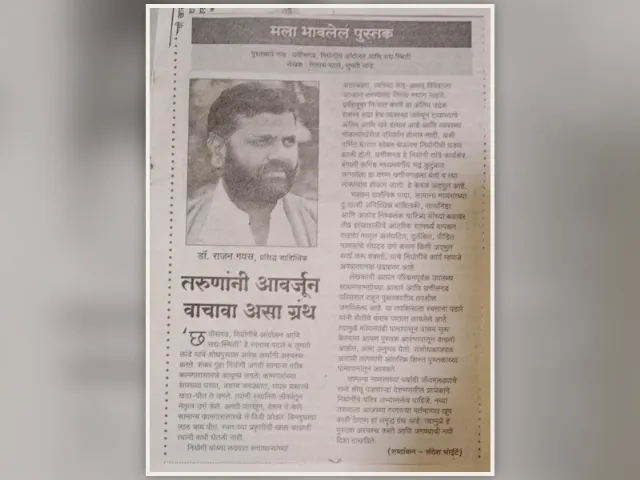
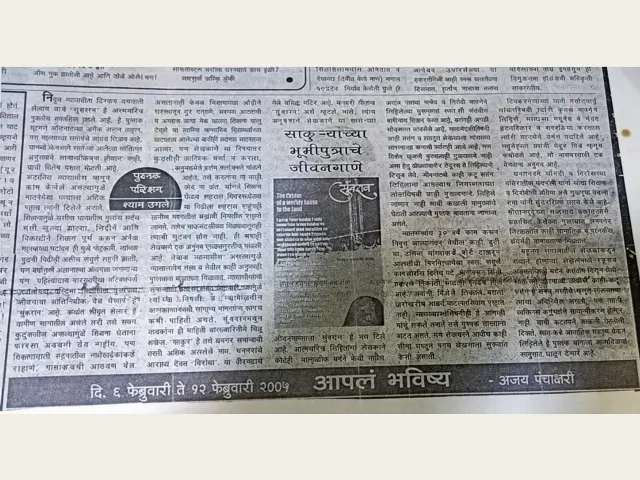
सतीश काळसेकर लिखित ‘कोसला’ ते ‘कळप’ हा लेख मराठी कादंबरीच्या आशय, अभिव्यक्ती आणि सामाजिक जाणिवेतील बदलांचा चिकित्सक आढावा घेतो. भालचंद्र नेमाडे यांच्या ‘कोसला’ने मराठी साहित्याला दिलेली नवी दृष्टी आणि त्यानंतर राजन गवस यांच्या ‘कळप’मध्ये प्रकर्षाने दिसणारे ग्रामीण वास्तव, सामाजिक रचना, शोषण, संघर्ष आणि मानवी अस्मितेचे प्रश्न यांचा लेखामध्ये परामर्श घेण्यात आला आहे.
राजन गवस यांच्या साहित्याने ग्रामीण समाजातील उपेक्षित अनुभवांना मराठी कादंबरीच्या केंद्रस्थानी आणले. ‘कळप’मधील व्यक्तिरेखा, बोलीभाषा, सामाजिक ताणतणाव आणि बदलत्या गावजीवनाचे चित्रण या लेखाच्या केंद्रस्थानी आहे. शब्दालयच्या News & Media संग्रहात या कात्रणाचा समावेश केल्याने मराठी साहित्य समीक्षा, ग्रामीण साहित्य आणि महत्त्वपूर्ण पुस्तक परीक्षणांचे दस्तऐवजीकरण वाचकांसाठी उपलब्ध होते.
Satish Kalsekar’s newspaper article “From Kosala to Kalap” offers a critical examination of the changing themes, language and social consciousness of Marathi fiction. It places the literary influence of Bhalchandra Nemade’s Kosala alongside the rural and socially grounded narrative represented by Rajan Gavas’s Kalap.
Rajan Gavas’s literature brings marginalised rural experiences, social divisions, exploitation and questions of human identity into the centre of Marathi storytelling. The article discusses the importance of regional language, village life, characterisation and social conflict in understanding Kalap. Its inclusion in Shabdalay’s News & Media collection helps preserve an important record of Marathi literary criticism and book-review culture for readers and researchers.